
Understanding Depression in Children and Adolescents
Depression in children and adolescents is more than just occasional sadness or moodiness—it’s a serious mental health condition that affects how young people think, feel, and function in their daily lives. Unlike adult depression, which typically presents with persistent low mood, childhood and adolescent depression often manifests through irritability, behavioral problems, and academic decline. This difference in presentation means that depression in young people can be easily misunderstood or overlooked.
 At Davenport Psychology, our doctoral-level psychologists specialize in recognizing and treating depression across all developmental stages. Dr. Keri Downs, Psy.D. (Florida License PY11909, NPI: 1538213731, PSYPACT #17577) brings specialized expertise in child and adolescent psychology, understanding that effective treatment must account for developmental factors, family dynamics, and the unique challenges facing young people today.
Research indicates that approximately 2% of children and 4-8% of adolescents experience major depression, with rates increasing significantly during the teenage years. The onset of depression during childhood or adolescence can have profound effects on social development, academic achievement, family relationships, and overall life trajectory. Early intervention is critical, as untreated depression in youth increases the risk for depression in adulthood, substance abuse, and other mental health challenges.
Depression in young people looks different at different ages. A depressed seven-year-old may become clingy and irritable, while a depressed fifteen-year-old might withdraw socially and experience feelings of hopelessness. Understanding these developmental variations is essential for accurate identification and effective treatment. Our team at Davenport Psychology takes a comprehensive, developmentally informed approach to help children and adolescents overcome depression and build resilience for the future.
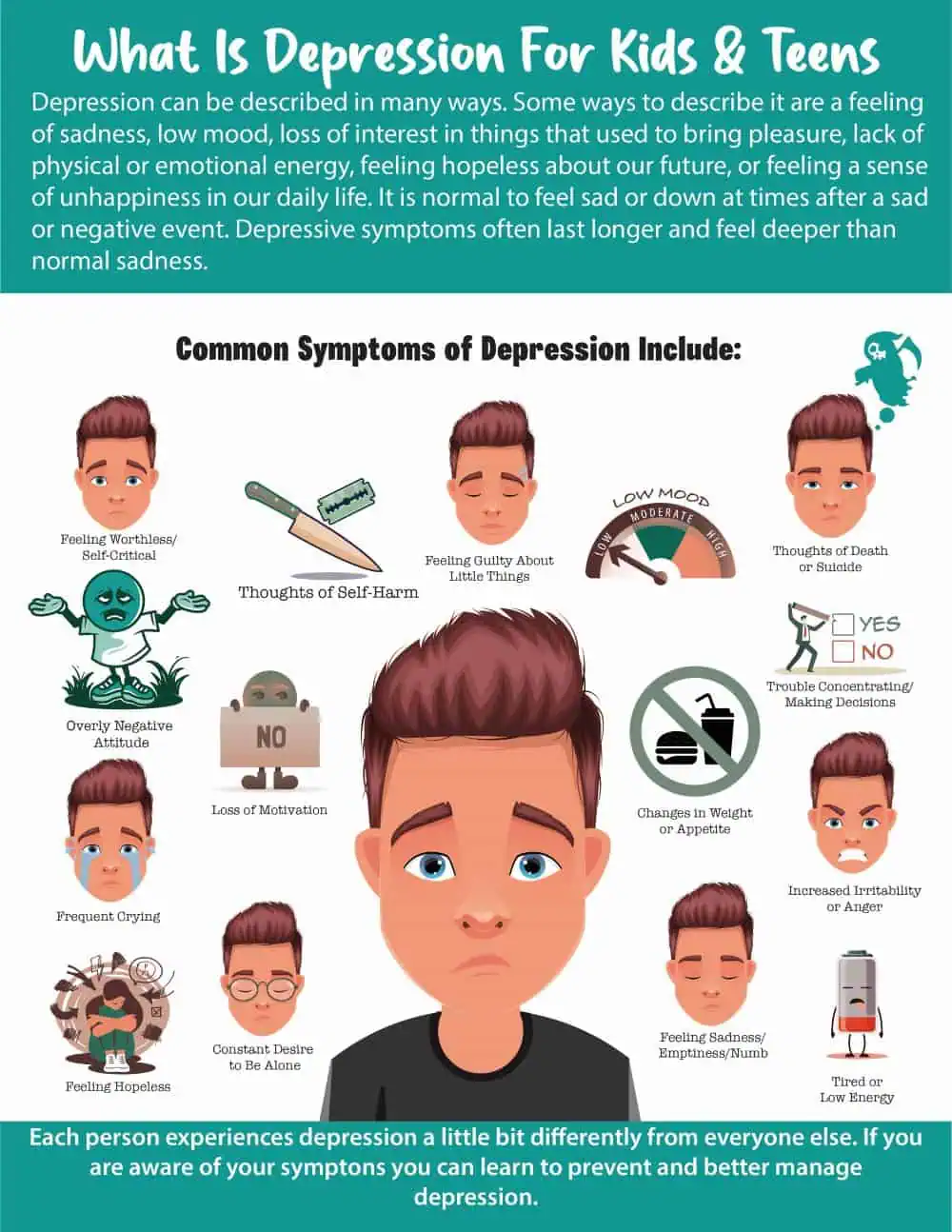
Signs and Symptoms of Child & Adolescent Depression
Child-Specific Symptoms (Ages 6-12)
Depression in younger children often presents quite differently than in adults, making it challenging for parents and teachers to recognize. Key indicators include:
- Irritability and anger: Children may appear cranky, easily frustrated, or have frequent temper tantrums rather than expressing sadness
- Behavioral regression: Return to earlier behaviors such as bed-wetting, thumb-sucking, or baby talk
- Somatic complaints: Frequent complaints of stomachaches, headaches, or other physical symptoms without clear medical cause
- Clinginess: Increased separation anxiety and difficulty being away from parents, even at age-appropriate times
- Academic decline: Sudden drop in grades, difficulty concentrating, or loss of interest in school
- Social withdrawal: Pulling away from friends, avoiding play dates, or showing little interest in previously enjoyed activities
- Play themes: Persistent themes of sadness, death, or loss in play or artwork
- Sleep and appetite changes: Difficulty falling asleep, nightmares, changes in eating patterns
Adolescent-Specific Symptoms (Ages 13-18)
Teenage depression often mirrors adult depression more closely but still has age-specific features that reflect the unique challenges of adolescence:
- Persistent sadness or emptiness: Prolonged periods of feeling down, hopeless, or numb
- Irritability and anger: Particularly common in teenage boys, who may show anger rather than sadness
- Social isolation: Withdrawal from peer groups, abandoning friendships, or spending excessive time alone
- Academic problems: Declining grades, loss of motivation, difficulty concentrating, or school refusal
- Loss of interest: No longer enjoying hobbies, sports, or activities that were once important
- Changes in appearance: Neglecting personal hygiene or significant changes in how they present themselves
- Sleep disturbances: Sleeping too much or too little, difficulty waking for school
- Fatigue and low energy: Constant tiredness, lacking motivation for basic tasks
- Negative self-concept: Feelings of worthlessness, excessive guilt, or pervasive negative thinking
- Risk-taking behaviors: Increased substance use, reckless behavior, or self-harm
- Thoughts of death or suicide: Talking about death, giving away possessions, or expressing suicidal thoughts
Impact on Development and Functioning
Depression doesn’t just affect mood—it impacts every aspect of a child’s development and daily functioning. Academic performance typically suffers as depression affects concentration, memory, and motivation. Social relationships deteriorate as depressed children and teens withdraw from peers or become too irritable to maintain friendships. Family relationships become strained as parents struggle to understand behavioral changes and children may push away those trying to help.
Dr. Keri Downs specializes in helping families understand how depression manifests in their specific child, recognizing that each young person’s experience is unique. This individualized understanding forms the foundation of effective treatment.
Causes and Risk Factors
Developmental Factors
Depression in children and adolescents must be understood within the context of normal development. The rapid physical, cognitive, and social changes of childhood and adolescence can contribute to vulnerability to depression. Puberty brings hormonal changes that affect mood regulation, while adolescent brain development—particularly in areas related to emotion regulation and executive functioning—can make teens more susceptible to mood disorders.
Additionally, developmental tasks such as identity formation, increasing independence, and navigating complex social relationships can create stress that triggers or exacerbates depression in vulnerable youth. Understanding where a child falls in their developmental trajectory helps our team tailor treatment appropriately.
Family and Environmental Influences
Family environment plays a significant role in childhood depression. Risk factors include parental depression or other mental illness, high family conflict, divorce or separation, neglect or abuse, and inconsistent parenting. However, it’s important to note that depression can occur even in loving, stable families—it’s not simply a result of “bad parenting.”
Environmental stressors such as bullying, academic pressure, social rejection, loss or grief, or traumatic experiences can trigger depressive episodes. In today’s digital age, factors like social media use and cyberbullying represent additional environmental influences that can contribute to depression in young people.
Biological Predisposition
Research shows that depression has a significant genetic component. Children with a parent or close relative who has experienced depression are at increased risk for developing depression themselves. Neurobiological factors, including differences in brain structure and function, neurotransmitter systems, and stress response mechanisms, also contribute to depression risk.
Some children may have temperamental characteristics—such as high sensitivity or negative emotionality—that increase vulnerability to depression when combined with environmental stressors. Understanding these biological factors helps families recognize that depression is a medical condition, not a character flaw or choice.
Trauma and Life Events
Significant life events can trigger depression in children and adolescents, particularly when these events overwhelm their coping resources. Examples include death of a loved one, parental divorce or separation, moving to a new school or community, serious illness in self or family member, or exposure to violence or trauma.
Additionally, chronic stressors—such as ongoing bullying, persistent family conflict, chronic illness, or prolonged academic stress—can gradually lead to depression. Dr. Downs’ expertise in child psychology includes careful assessment of these contributing factors and their integration into treatment planning.
Our Treatment Approach
Comprehensive Assessment and Diagnosis
Effective treatment begins with thorough assessment. At Davenport Psychology, we conduct comprehensive evaluations that include clinical interviews with both parents and child, standardized depression measures, assessment of co-occurring conditions (such as anxiety or ADHD), and review of medical, developmental, and family history. This assessment helps us understand your child’s unique presentation and develop an individualized treatment plan.
We also assess for risk factors requiring immediate attention, including suicidal thoughts or self-harm behaviors. If your child is experiencing acute safety concerns, we coordinate with other providers and resources to ensure comprehensive care.
Evidence-Based Psychotherapy
For younger children (ages 6-10), we utilize play therapy and behavioral approaches that are developmentally appropriate. Play therapy allows children to express and process feelings they may not have words for, while behavioral activation helps increase engagement in positive activities that naturally improve mood.
For older children and adolescents, we employ Cognitive Behavioral Therapy (CBT) specifically adapted for young people. CBT for depression helps youth identify and challenge negative thought patterns, increase positive activities and social engagement, and develop effective coping strategies. We also incorporate elements of interpersonal therapy for adolescents (IPT-A), which addresses relationship issues and life transitions that may contribute to depression.
Family-Centered Care
Research consistently shows that family involvement improves outcomes in treatment of childhood depression. We work closely with parents to help them understand depression, recognize symptoms, and respond effectively to their child’s needs. Parent coaching focuses on communication skills, problem-solving strategies, and creating a supportive home environment.
We also address how depression affects the entire family system, helping siblings understand what their brother or sister is experiencing and supporting parents in maintaining their own well-being while caring for a depressed child.
Dr. Keri Downs’ Expertise in Child Depression
Dr. Keri Downs brings specialized training and extensive experience in treating depression in children and adolescents. As a PSYPACT provider, she can offer teletherapy services across multiple states, making her expertise accessible to families regardless of geographic location.
Dr. Downs’ approach combines evidence-based techniques with genuine warmth and understanding, creating a therapeutic relationship where children and teens feel safe to share their struggles. She works collaboratively with families, schools, and other providers to ensure comprehensive, coordinated care.
Behavioral Activation and Activity Scheduling
A core component of our treatment approach involves helping children and teens increase engagement in positive, meaningful activities. Depression often leads to withdrawal and inactivity, which then maintains or worsens the depression. We work with young clients to identify activities they once enjoyed or might enjoy, then gradually increase participation in these activities despite low motivation or energy.
For children, this might involve setting up play dates, returning to sports or hobbies, or spending time in nature. For adolescents, it might include reconnecting with friends, pursuing creative interests, or volunteering. The key is finding activities that align with the young person’s values and interests, not just filling time with busy work.
School Collaboration
Because depression significantly affects academic functioning, school collaboration is often an important part of treatment. With parent consent, we can communicate with school personnel to ensure appropriate support and accommodations. This might include developing a 504 plan, consulting with teachers about supporting the student in the classroom, or coordinating with school counselors.
Medication Considerations
While many children and adolescents respond well to psychotherapy alone, some benefit from a combination of therapy and medication. For moderate to severe depression, particularly when there’s significant impairment or safety concerns, antidepressant medication may be considered. As psychologists, we collaborate with pediatricians or child psychiatrists when medication evaluation is appropriate, ensuring integrated care that addresses both psychological and biological aspects of depression.
When to Seek Help for Your Child
Warning Signs for Parents
While mood fluctuations are normal in childhood and adolescence, professional help is warranted when mood problems persist, intensify, or significantly interfere with functioning. Consider seeking evaluation if your child:
- Shows persistent sadness, irritability, or anger lasting two weeks or more
- Loses interest in activities they previously enjoyed
- Experiences significant changes in sleep or appetite
- Shows decline in academic performance or school attendance
- Withdraws from family and friends
- Expresses feelings of worthlessness or excessive guilt
- Has difficulty concentrating or making decisions
- Shows significant behavioral changes
- Talks about death or suicide
- Engages in self-harm or risky behaviors
School-Related Indicators
Teachers and school staff often notice signs of depression that parents may miss, as children sometimes behave differently at school than at home. If school personnel express concerns about your child’s mood, social withdrawal, academic decline, or behavioral changes, take these observations seriously. Schools may recommend evaluation for depression when they notice a child who seems persistently sad, has frequent emotional outbursts, isolates from peers, or shows unexplained physical complaints.
Crisis Resources
If your child expresses suicidal thoughts, has engaged in self-harm, or you’re concerned about their immediate safety, seek help immediately. Contact:
- National Suicide Prevention Lifeline: 988
- Crisis Text Line: Text HOME to 741741
- Your local emergency room
- Your child’s pediatrician
Depression can make children feel hopeless and think that things will never improve. Professional intervention can save lives and help young people understand that depression is treatable and they don’t have to suffer.
First Steps
If you’re concerned about depression in your child, starting with a professional evaluation is the right choice. At Davenport Psychology, we provide compassionate, comprehensive assessments that help clarify whether your child is experiencing depression and what treatment approach would be most beneficial. We’ll work with you to understand your child’s symptoms, their impact on functioning, and contributing factors, then develop a treatment plan tailored to your family’s needs.
Frequently Asked Questions
Can children really have depression, or are they just going through a phase?
Yes, children can definitely experience clinical depression. While mood fluctuations are normal in development, clinical depression is qualitatively different—it’s more severe, persists longer, and significantly impairs functioning. Research shows that depression can occur even in young children, though it may look different than adult depression. If you’re concerned about whether your child’s mood is normal or indicative of depression, a professional evaluation can provide clarity.
How can I tell the difference between normal moodiness and depression?
Normal mood changes are usually brief, don’t significantly impact functioning, and resolve relatively quickly. Depression, in contrast, persists for weeks or months, affects multiple areas of life (school, relationships, activities), and doesn’t improve without intervention. Depression also typically includes multiple symptoms occurring together—not just sadness, but also changes in sleep, appetite, energy, and functioning. When in doubt, err on the side of seeking evaluation.
Is my parenting to blame for my child’s depression?
No. While family environment influences mental health, depression is not caused by “bad parenting.” Depression results from a complex interaction of genetic, biological, psychological, and environmental factors. Many children develop depression even in loving, stable families. What matters most is recognizing the problem and seeking appropriate help. In fact, supportive, engaged parents are one of the most important factors in recovery from depression.
How long does treatment take?
Treatment length varies based on depression severity, individual response, and presence of complicating factors. Many children show significant improvement within 12-20 sessions, though some need longer-term support. We regularly assess progress and adjust treatment as needed. Some families continue with less frequent maintenance sessions even after symptoms improve, to prevent relapse and continue building coping skills.
Will my child need medication?
Many children with mild to moderate depression respond well to psychotherapy alone. Medication is typically considered for moderate to severe depression, depression that hasn’t responded to therapy, or when there are safety concerns. Any decision about medication involves careful consideration of risks and benefits and is made collaboratively with parents. If medication is indicated, we coordinate with your child’s pediatrician or a child psychiatrist while continuing therapy.
How do I talk to my child about depression?
Use age-appropriate language to explain that depression is a medical condition that affects how people feel, think, and behave. Emphasize that it’s not their fault and that it’s treatable. Let them know that many people experience depression and get better with help. Younger children might benefit from simple explanations like “sometimes people’s brains get stuck in sad feelings, and doctors can help unstick them.” Teenagers can often understand more complex explanations about brain chemistry and psychological factors.
What if my child refuses to participate in therapy?
Resistance to therapy is common, particularly among adolescents or children who don’t yet recognize that something is wrong. We address this by taking time to build rapport, clearly explaining what therapy involves, respecting the child’s pace, and involving them in treatment planning when appropriate. Dr. Downs is skilled at engaging reluctant children and teens, meeting them where they are, and gradually building a collaborative relationship. Sometimes starting with parent consultation while working to engage the child can be effective.
Can depression in childhood affect my child long-term?
Untreated childhood depression can have lasting effects, increasing risk for depression in adulthood, academic and occupational difficulties, relationship problems, and other mental health challenges. However, early intervention significantly improves outcomes. Children who receive effective treatment often develop resilience and coping skills that protect them throughout life. This is why seeking help sooner rather than later is so important.
Take the First Step Toward Healing
If your child or teen is struggling with depression, know that help is available and recovery is possible. Our child and adolescent therapy services provide evidence-based, compassionate care tailored to your child’s unique needs. Dr. Keri Downs and our team of doctoral-level psychologists are committed to helping your family navigate this challenging time and build a brighter future.
Depression is treatable, and children can—and do—get better. With the right support, your child can overcome depression, develop effective coping skills, and return to enjoying life. Don’t wait to seek help. Early intervention makes a significant difference in outcomes.
Contact Davenport Psychology today at (941) 702-2457 to schedule a consultation. We serve families in Sarasota, Venice, and surrounding communities. Dr. Downs is also available for teletherapy through PSYPACT for families in multiple states. Take the first step toward helping your child feel better.