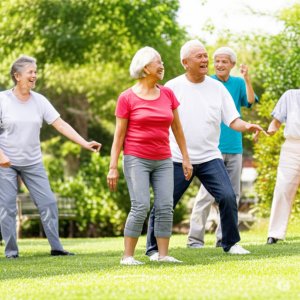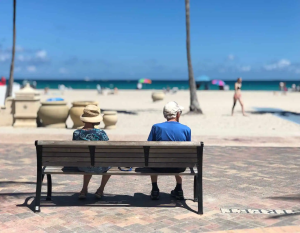

Aging is a journey we all embark on, filled with changes and new experiences. It can be both rewarding and challenging1,2. As we age, we may find ourselves unable to do things we once did with ease. This transition can be difficult to accept. However, embracing these changes is key to aging gracefully—it’s about finding new ways to enjoy life and maintain a sense of purpose1,2.
Aging well involves more than just physical health; it encompasses mental and emotional well-being too. Staying active, both physically and mentally, is crucial2. Resources like the Area Agency on Aging for Southwest Florida (AAASWFL) connect older adults and adults with disabilities to a wide range of local resources, including elder care, housing assistance, meal services, and volunteer opportunities, serving as a crucial support system for those aging in place3.
Social connections play a vital role in healthy aging. Engaging with others can boost our mood and provide support3. Local initiatives, such as the Senior Friendship Centers in Venice, offer programs for adults 50+, including exercise classes, art lessons, and social events, creating a welcoming space for social engagement and lifelong learning3.
Adapting to new realities can open doors to new opportunities. Embracing change with a positive mindset can lead to a fulfilling life1,2. The Sarasota County Aging System Coordination supports community-based programs that aim to create inclusive environments for older adults, promoting a purposeful and active lifestyle3.
Understanding the Realities of Aging
Aging is a natural process we all experience, but it can feel daunting at times12. Understanding these changes helps us navigate this journey with grace. Bodies may slow down, and energy levels might decrease—this is part of the aging process12. Recognizing these changes as normal can ease the emotional toll. Knowledge empowers us to face aging with acceptance12. Each person’s experience is unique, influenced by genetics and lifestyle choices. Accepting aging means acknowledging what is beyond our control, but many aspects are still within our reach12.
Key aspects of understanding aging include:
Noticing and appreciating the wisdom gained over the years is crucial. While aging presents challenges, it also brings the richness of life experience12. Services like Right at Home and Visiting Angels in Venice provide personalized in-home care, supporting seniors in maintaining their independence and adapting to their changing needs3.
 by Vignesh chandran (https://unsplash.com/@veecee_photography)
Accepting Change: Letting Go of What Was
Facing change can be difficult, yet it’s essential for emotional well-being12. Letting go of past abilities doesn’t mean losing value or purpose; it’s a part of adapting and finding new fulfillment12. Grieving the loss of certain activities is normal and an important step in accepting what cannot be changed12. However, dwelling too much on the past can hinder growth. Resources from the Florida Department of Elder Affairs, which oversees initiatives for healthy aging and caregiver support, can provide necessary guidance and support3.
Focusing on the present encourages a more positive outlook and allows us to embrace new opportunities and experiences12. Reflect on what truly matters and brings joy today. Engage in social programs, like those offered by Senior Helpers of Venice, to establish connections and lessen feelings of isolation3.
Focusing on What You Can Do: Adapting and Thriving
Aging often brings limitations, but it also offers a chance to adapt and thrive12. Shifting focus to what is still achievable can inspire growth and support a fulfilling journey through the aging process12. Adapting activities to suit current abilities helps maintain engagement and enjoyment. Instead of dwelling on lost capabilities, explore modified versions—this opens new doors to creativity and enjoyment12.
Setting realistic goals is key. Focus on small, achievable steps that bring a sense of accomplishment. Celebrate these milestones as important achievements on your aging journey12. Participate in classes and programs offered at local centers, such as the Senior Friendship Centers, to stay socially active while engaging in lifelong learning3.
 by Anant Sharma (https://unsplash.com/@yogsiblings)
Thriving in later years involves embracing change with optimism. Keep exploring your capacities and savor what you can do now. This approach not only cultivates happiness but also enriches overall well-being12.
Building a Healthy Lifestyle for Aging Well
Building a healthy lifestyle is crucial for aging well. A nourishing diet and regular physical activity are fundamental components—they contribute to both physical and mental health as we age152. Eating a balanced diet rich in fruits, vegetables, lean proteins, and whole grains supplies essential nutrients and supports overall well-being152. Regular exercise tailored to individual abilities promotes mobility and strength152.
-
Move More, Sit Less: Being active helps prevent, delay, and manage chronic diseases, improves balance and stamina, reduces the risk of falls, and enhances brain health152.
-
Aim for Moderate Physical Activity: At least 150 minutes of moderate-intensity activity per week is recommended, along with muscle-strengthening activities on two or more days per week152.
-
Stay Hydrated and Eat Well: Proper hydration and a nutrient-rich diet support both physical and mental health152.
 by Yehor Milohrodskyi (https://unsplash.com/@milohrodskyi)
Additionally, engaging in activities that challenge the brain, like puzzles or reading, can keep the mind sharp. Volunteering provides a sense of purpose while fostering connections in the community3. The Alzheimer’s Association – Florida Gulf Coast Chapter offers resources and education for those facing dementia, enhancing understanding and support for families.
Supporting Your Emotional and Mental Well-being
Aging gracefully involves nurturing emotional and mental well-being, which is as critical as physical health12. Emotional resilience helps navigate life’s inevitable changes and challenges12. Practicing mindfulness, gratitude, and engaging in creative activities like painting or music can improve mood and mental sharpness12. Building strong social connections bolsters emotional health, providing support and shared laughter, both vital for happiness3.

Staying Connected: The Importance of Social Engagement
Social engagement plays a vital role in aging gracefully. Interacting with others boosts emotional health and provides a sense of belonging3. It reduces feelings of loneliness and isolation, which can be common in later years3. Participating in community activities through local organizations, such as the Senior Friendship Centers, connects you with people sharing similar interests3.
 by Lisa Marie Theck (https://unsplash.com/@lisa_marie_theck)
Technology also helps maintain social connections; video calls and online forums can keep relationships alive3. Fostering intergenerational relationships offers fresh perspectives and vibrant energy. These connections can be mutually enriching, facilitating shared wisdom and enthusiasm3.
Social engagement is linked to increased survival, decreased risk of disability, lower likelihood of depression, and a decreased risk of dementia3.
Finding Purpose and Joy in New Ways
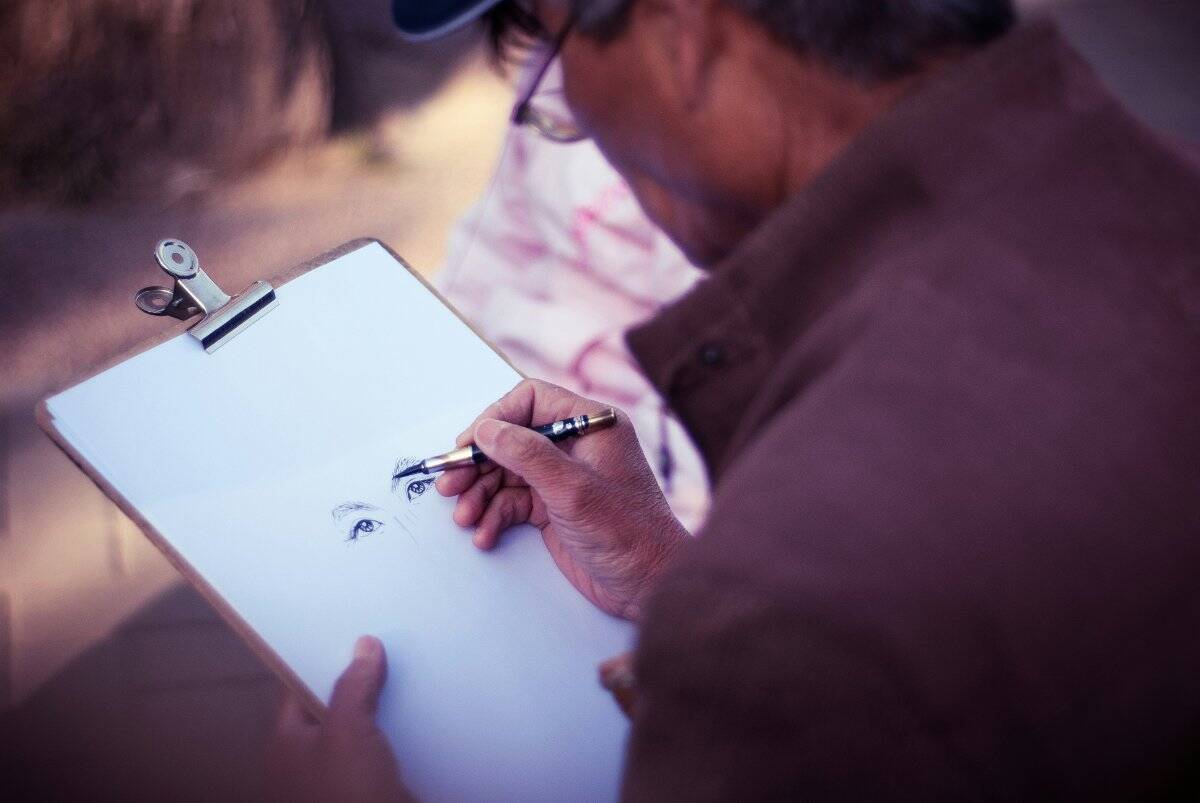
As we age, finding new sources of joy and purpose is essential for a fulfilling life. Embracing changes can lead to exciting adventures and discoveries. Trying new activities can open doors to passions you never knew existed.
 by JJ Ying (https://unsplash.com/@jjying)
Hobbies can bring immense satisfaction and can be therapeutic. Consider exploring creative outlets, joining local classes or workshops, and participating in community events. Volunteering strengthens connections, providing a sense of purpose through community engagement.
Practical Tips for Healthy Aging and Independence
Staying healthy and independent as you age requires proactive planning. Simple, everyday choices can make a significant difference12. Maintaining mobility is key to independence. Regular, gentle exercise keeps muscles strong and joints flexible, making daily tasks easier12. A safe living environment is vital for preventing accidents. Ensure that your home is free from hazards and consider the support options available from agencies like Right at Home or Visiting Angels3.
 by Alex Nicolopoulos (https://unsplash.com/@alexnicolopoulos)
Eating a balanced diet supports physical and mental health. Focus on nutrient-rich foods, adequate hydration, and moderation12. Remember, small changes in lifestyle can substantially enhance your quality of life and independence12.
When to Seek Help: Knowing You’re Not Alone
Acknowledging when you need help is a mark of strength, not weakness12. Sometimes, life’s challenges can become overwhelming. Recognizing the signs and reaching out for support can make a world of difference12. If feelings of sadness or anxiety persist, consult a healthcare professional. The Florida Department of Elder Affairs can guide you to necessary resources and support systems3. Remember, asking for help ensures you remain strong and supported12.
Conclusion: Embracing Aging Gracefully
Aging is a journey, rich with growth and new experiences12. Embrace it with a mindset of gratitude and curiosity. Celebrate the wisdom and strength gained over the years12. Remember that aging well means caring for your body and soul. Stay connected with others and nurture your passions3. Reach out to local agencies and resources for support—your journey is unique, and you can navigate it gracefully3.
Key References:
- 1 CDC: 6 Tips for Healthy Aging
- 2 USAging: Social Engagement
- Meridian Senior: Five Benefits of Social Engagement for Seniors
- 5 Baptist Retirement: The Benefits of Social Engagement for Seniors
- 3 Health.gov: Celebrating Active Aging
- 6 The GreenFields: 5 Benefits of Exercise for Seniors and Aging Adults
Sarasota and Venice, FL Resources for Aging
Local and Regional Organizations
- Area Agency on Aging for Southwest Florida (AAASWFL)
Visit Website1
Contact Page2
Phone: 866-413-5337 or 239-652-6900 - Senior Friendship Centers – Venice
Venice Friendship Center Info3
Address: 2350 Scenic Drive, Venice, FL 34293
Phone: 941-493-3065 - Sarasota County Aging System Coordination
Aging System Coordination
For more information, visit the Sarasota County website.
Home Care and Support Services
- Right at Home – Venice, FL
Right at Home Venice
Phone: 941-929-1966 - Senior Helpers of Venice
Senior Helpers Venice6
Address: 209 Nassau Street S, Suite 101, Venice, FL 34285
Phone: 941-488-3410 - Visiting Angels – Venice, FL
Visiting Angels Venice
Address: 871 Venetia Bay Blvd #201, Venice, FL 34285
Phone: 941-496-9600
State and National Resources
- Florida Department of Elder Affairs
Department Website8
Elder Helpline: 800-963-53379 - Alzheimer’s Association – Florida Gulf Coast Chapter
Alzheimer’s Association Gulf Coast10
Address: 14010 Roosevelt Boulevard, Suite 709, Clearwater, FL 33762
Phone: 727-578-2558
24/7 Helpline: 800-272-3900
Learn more about our Sarasota office, our Venice office, psychology services, and our team of licensed psychologists at Davenport Psychology.
Get Professional Help from Licensed Psychologists
Our doctoral-level psychologists in Sarasota and Venice can help with your mental health needs.
Call (941) 702-2457 to schedule a consultation.