Understanding Anxiety in Children and Adolescents
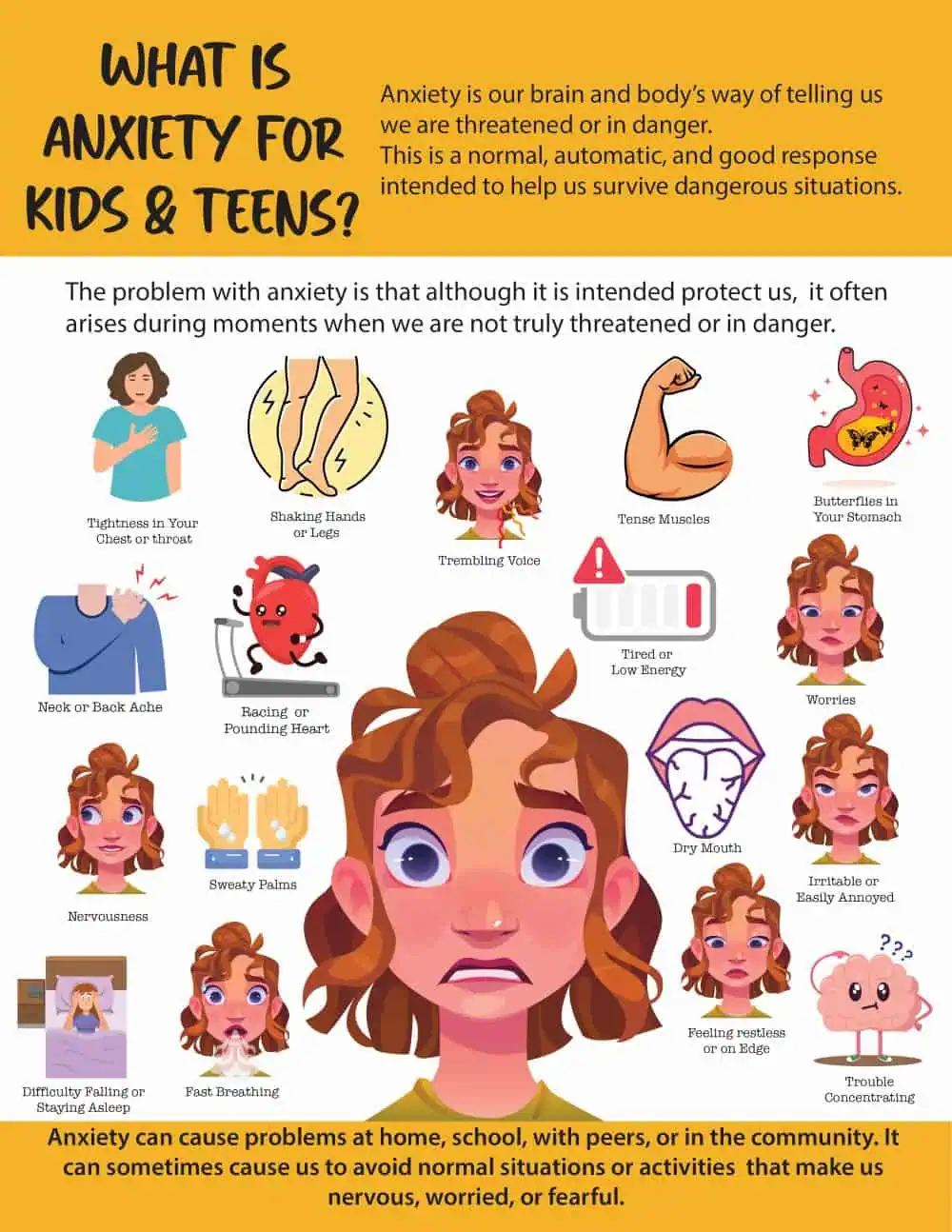
Anxiety in children and adolescents manifests quite differently than in adults, making specialized, age-appropriate treatment essential. While adults may experience generalized worry or specific phobias, young people often express anxiety through behavioral changes, physical complaints, and difficulties in school or social settings. Understanding these unique presentations is the first step toward effective child and teen therapy intervention.
At Davenport Psychology, our doctoral-level psychologists specialize in recognizing and treating the full spectrum of anxiety disorders in children and teens. Led by Dr. Keri Downs, Psy.D. (Florida License PY11909, NPI: 1538213731, PSYPACT #17577), our team understands that childhood and adolescent anxiety requires approaches specifically designed for developing minds and bodies.
Research shows that anxiety disorders affect approximately 7-10% of children and up to 25% of adolescents, making them among the most common mental health challenges facing young people today. When left untreated, childhood anxiety can interfere with academic performance, social development, family relationships, and overall quality of life. However, with proper intervention, children and teens can learn effective coping strategies that serve them throughout their lives.
The presentation of anxiety changes significantly across developmental stages. A six-year-old with separation anxiety looks markedly different from a fifteen-year-old with social anxiety disorder. This is why our approach at Davenport Psychology emphasizes developmental appropriateness—we match our therapeutic techniques to your child’s age, cognitive abilities, and specific needs.
Signs and Symptoms of Child & Adolescent Anxiety
Child-Specific Symptoms (Ages 6-12)
Younger children often express anxiety through concrete behavioral and physical manifestations rather than verbal descriptions of worry. Parents may notice:
- Separation difficulties: Extreme distress when separating from parents, resistance to going to school, or fear that something bad will happen to caregivers
- Physical complaints: Frequent stomachaches, headaches, or feeling sick before school or social events, with no identifiable medical cause
- Sleep disturbances: Difficulty falling asleep alone, nightmares, fear of the dark, or needing a parent nearby to sleep
- Behavioral regression: Return to earlier developmental behaviors such as thumb-sucking, bed-wetting, or baby talk
- Avoidance behaviors: Refusing to attend birthday parties, avoiding new situations, or clinging to familiar routines
- Excessive reassurance-seeking: Repeatedly asking “what if” questions or needing constant validation from parents
- School-related issues: Difficulty concentrating in class, frequent visits to the school nurse, or decline in academic performance
Adolescent-Specific Symptoms (Ages 13-18)
Teenagers may exhibit more sophisticated anxiety presentations that mirror adult symptoms while still maintaining age-specific features:
- Social anxiety: Intense fear of judgment by peers, avoidance of social situations, worry about embarrassment or humiliation
- Academic anxiety: Test anxiety, perfectionism, fear of failure, or excessive worry about grades and college admission
- Identity concerns: Anxiety about appearance, fitting in, or questions about sexual orientation or gender identity
- Physical manifestations: Tension headaches, muscle tension, rapid heartbeat, or panic attacks
- Technology-related anxiety: Fear of missing out (FOMO), social media-induced worry, or cyberbullying concerns
- Future-oriented worry: Excessive concern about college, careers, or the future in general
- Risk-taking or avoidance: Either completely avoiding feared situations or engaging in risky behaviors to mask anxiety
- Irritability and mood changes: Increased frustration, short temper, or mood swings related to underlying anxiety
Impact on Daily Functioning
Child and adolescent anxiety can significantly affect multiple areas of life, including academic performance, peer relationships, family dynamics, extracurricular participation, and overall quality of life. Dr. Keri Downs specializes in helping families understand how anxiety manifests in their child’s unique context and developing targeted interventions that address both the anxiety and its functional impacts.
Causes and Risk Factors
Developmental Factors
Children and adolescents are navigating critical developmental periods that can contribute to anxiety. Cognitive development, particularly the emergence of abstract thinking in adolescence, can lead to increased worry about hypothetical scenarios. Social development during middle childhood and adolescence brings new challenges in peer relationships and identity formation. Understanding where a child falls in their developmental trajectory helps us tailor our treatment approach.
Family and Environmental Influences
Family dynamics play a significant role in childhood anxiety. Parenting styles, family stress levels, modeling of anxious behaviors, and parent-child attachment patterns all contribute to how children experience and express anxiety. Environmental factors such as academic pressure, social expectations, bullying, family conflict, or exposure to frightening events can trigger or exacerbate anxiety symptoms. Our family-centered approach includes parent coaching to help families create supportive environments that reduce anxiety rather than inadvertently maintaining it.
Biological Predisposition
Research indicates that anxiety disorders have a heritable component, with children of anxious parents at higher risk for developing anxiety themselves. Neurobiological factors, including temperament and stress response systems, also play a role. Some children are born with more sensitive nervous systems or behavioral inhibition, making them more prone to anxiety. Understanding these biological factors helps parents recognize that anxiety isn’t caused by “bad parenting” and supports a comprehensive treatment approach.
Trauma and Life Events
Significant life events can trigger anxiety in children and adolescents, including parental divorce, moves or school changes, illness or death in the family, academic transitions, or exposure to traumatic events. Additionally, the cumulative effect of chronic stressors—such as ongoing family conflict, peer problems, or academic struggles—can contribute to the development of anxiety disorders. Dr. Downs’ expertise in child psychology helps identify and address these contributing factors within the context of treatment.
Our Treatment Approach
Developmentally Appropriate Interventions
At Davenport Psychology, we recognize that effective anxiety treatment must match a child’s developmental level. For younger children (ages 6-10), we utilize play therapy techniques that allow children to express and work through anxious feelings in their natural language—play. Through therapeutic play, art, and storytelling, children learn coping skills without the need for sophisticated verbal processing.
For older children and adolescents, we employ evidence-based Cognitive Behavioral Therapy (CBT) approaches specifically adapted for young people. This includes teaching age-appropriate cognitive restructuring, exposure therapy techniques, and concrete coping strategies. We also incorporate elements of mindfulness, relaxation training, and social skills development as appropriate to each child’s needs.
Family Involvement and Parent Coaching
Successful treatment of childhood anxiety requires active family involvement. We work closely with parents to help them understand their child’s anxiety, recognize accommodation patterns that may maintain anxiety, and develop strategies to support their child’s progress. Parent coaching sessions focus on building confidence in managing anxiety-related situations, reinforcing therapeutic techniques at home, and creating a family environment that promotes resilience.
We also address the impact of anxiety on sibling relationships and family routines, helping the entire family system adapt in ways that support the anxious child while maintaining appropriate boundaries and expectations.
Dr. Keri Downs’ Specialized Expertise

Dr. Keri Downs brings specialized training in child and adolescent psychology to her work with anxious children and teens. As a PSYPACT provider, Dr. Downs can provide teletherapy across multiple states, making her expertise accessible to families regardless of location. Her approach combines warmth and understanding with evidence-based techniques, creating a therapeutic environment where children feel safe to explore and overcome their fears.
Dr. Downs’ expertise includes working with:
- Separation anxiety disorder
- Social anxiety in children and teens
- Selective mutism
- Generalized anxiety disorder in youth
- Panic disorder in adolescents
- Specific phobias
- School refusal and attendance problems
- Performance and test anxiety
Evidence-Based Treatment Modalities
Our treatment approach draws from the most current research on childhood anxiety intervention. We utilize cognitive-behavioral therapy (CBT) protocols specifically designed for children and adolescents, including the Coping Cat program and other evidence-based curricula. Exposure therapy is implemented gradually and with careful attention to the child’s comfort level, teaching children that they can face their fears successfully.
For younger children, we incorporate play therapy techniques that allow for anxiety expression and mastery through symbolic play. For adolescents, we may utilize acceptance and commitment therapy (ACT) principles, helping teens develop psychological flexibility and values-based action despite anxiety.
School Collaboration
When appropriate and with parent consent, we collaborate with school personnel to ensure consistency in supporting the child across settings. This may include consultation with teachers, school counselors, or 504 plan development for children whose anxiety significantly impacts academic functioning.
When to Seek Help for Your Child
Warning Signs for Parents
While some anxiety is a normal part of development, professional help is warranted when anxiety significantly interferes with daily functioning or causes substantial distress. Consider seeking evaluation if your child:
- Experiences anxiety that is out of proportion to the situation
- Avoids important activities, settings, or relationships due to anxiety
- Has physical symptoms (stomachaches, headaches) that interfere with school attendance or activities
- Shows behavioral regression or has lost previously acquired skills
- Experiences panic attacks or overwhelming fear responses
- Has anxiety that persists beyond what would be expected for their age
- Demonstrates increasing, rather than decreasing, anxiety over time
- Has family life significantly disrupted by accommodation of anxiety symptoms
School-Related Indicators
Academic settings often bring out anxiety symptoms in children and adolescents. Red flags include chronic absenteeism or school refusal, declining grades despite intellectual capability, frequent visits to the school nurse, difficulty completing work due to perfectionism, or social isolation from peers. If teachers express concerns about your child’s worry, fear, or avoidance, it’s worth seeking a professional evaluation.
Crisis Resources
If your child is experiencing acute anxiety or panic that places them in immediate danger, or if anxiety has led to self-harm or suicidal thoughts, immediate intervention is necessary. Contact:
- National Suicide Prevention Lifeline: 988
- Crisis Text Line: Text HOME to 741741
- Your local emergency room
- Your child’s pediatrician
First Steps
Beginning treatment for your child’s anxiety starts with a comprehensive evaluation. At Davenport Psychology, we conduct thorough assessments that include clinical interviews with both parents and child, standardized anxiety measures, and review of relevant history. This evaluation helps us understand your child’s unique presentation and develop a customized treatment plan.
We also provide psychoeducation to help families understand anxiety, what maintains it, and how treatment works. Many parents find relief in learning that anxiety is treatable and that they can play an active role in their child’s recovery.
Frequently Asked Questions
How young is too young for anxiety treatment?
Children as young as 3-4 can benefit from anxiety intervention, though the approach differs significantly from treatment with older children. For very young children, parent-focused intervention and play-based approaches are most effective. Dr. Downs can assess whether your young child would benefit from direct treatment or whether parent coaching alone might be the best starting point.
How involved do parents need to be in treatment?
Parent involvement is crucial for successful treatment of childhood anxiety. While the specific level varies by age and family circumstances, expect regular parent sessions, homework assignments that require family participation, and coaching on how to respond to anxiety at home. We view parents as critical partners in treatment, not just bystanders.
How long does treatment typically take?
Treatment length varies depending on the severity and type of anxiety, your child’s age, and family factors. Many children show significant improvement within 12-16 sessions, though some may need longer-term support. We regularly review progress and adjust treatment intensity as needed. Some families transition to less frequent “booster” sessions once core skills are established.
Will my child need medication?
Many children successfully overcome anxiety through therapy alone. However, in cases of severe anxiety or when therapy progress is limited, medication may be considered as an adjunct to treatment. As psychologists, we cannot prescribe medication but work collaboratively with pediatricians or child psychiatrists when appropriate. Any decisions about medication are made collaboratively with parents and medical providers.
How do you work with schools?
With your consent, we can communicate with your child’s school to ensure consistent support across settings. This might include providing general recommendations to teachers, participating in 504 plan meetings, or consulting on specific accommodations. We help parents advocate effectively for their child’s needs in the school environment while maintaining appropriate therapeutic boundaries.
What if my child doesn’t want to come to therapy?
Resistance to therapy is common, especially among anxious children who may fear the unknown aspects of treatment. We address this by making sessions engaging and age-appropriate, clearly explaining what will happen, and moving at your child’s pace. Most children warm up to therapy once they realize it’s a supportive, non-judgmental space. Dr. Downs is skilled at building rapport with even reluctant children and adolescents.
Can anxiety in childhood lead to problems later?
Research shows that untreated childhood anxiety can persist into adolescence and adulthood, potentially leading to more severe anxiety disorders, depression, or substance use. However, early intervention significantly improves outcomes. Children who learn effective coping strategies early often develop resilience that protects them throughout life. This is one reason why seeking help sooner rather than later is so important.
Take the First Step
If your child or teen is struggling with anxiety, you don’t have to navigate this alone. Our child and adolescent therapy services provide comprehensive, compassionate care grounded in evidence-based practices. Dr. Keri Downs and our team of doctoral-level psychologists are here to help your family find relief and develop lasting coping skills.
Contact Davenport Psychology today at (941) 702-2457 to schedule a consultation. We serve families in Sarasota, Venice, and surrounding communities, and Dr. Downs can provide teletherapy through PSYPACT to families in multiple states. Let us help your child overcome anxiety and thrive.