Help Your Anxious Child Thrive During the Holidays: Expert Guide
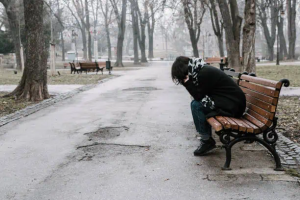
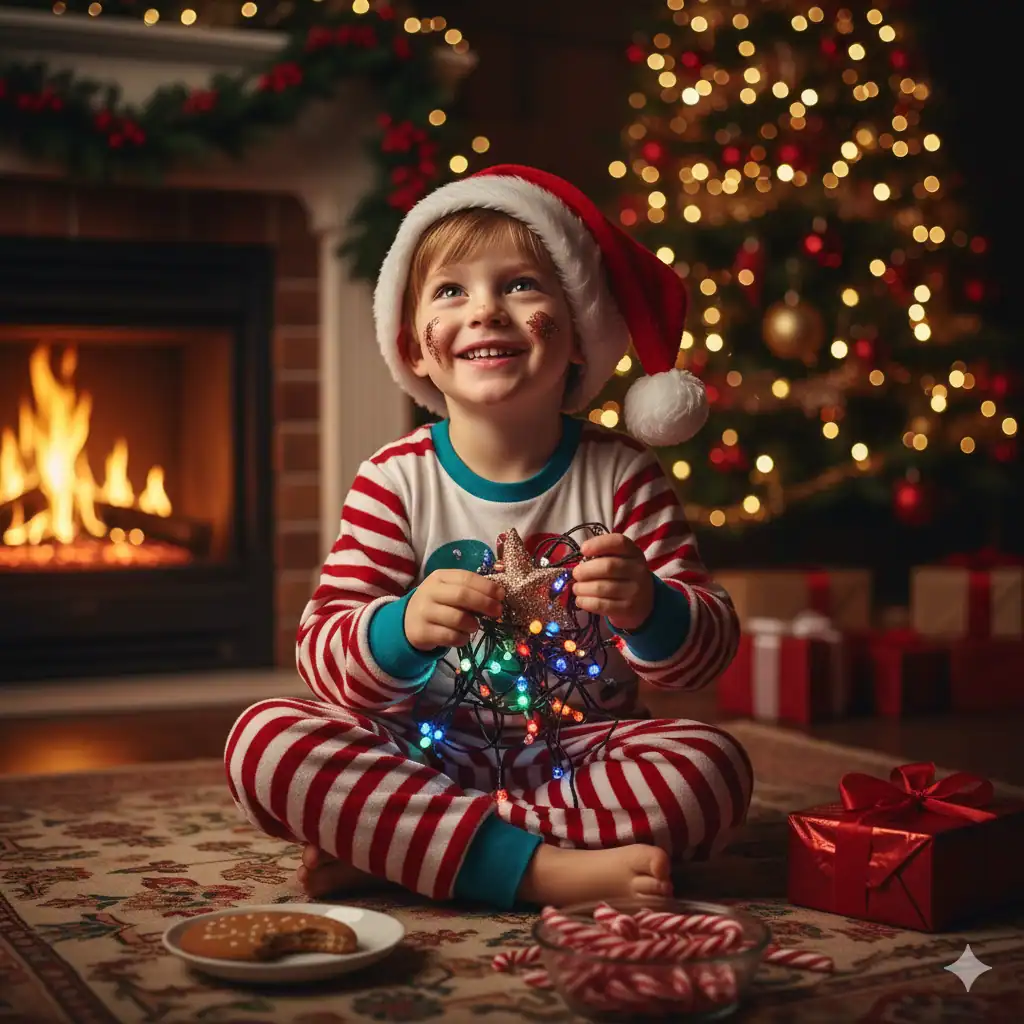
Your eight-year-old used to love the holidays. Now they're having meltdowns about family gatherings, can't sleep because of "scary" decorations, and their anxiety about Santa's visit has turned excitement into dread. If this sounds familiar, you're witnessing how holiday chaos can overwhelm anxious children.
According to the CDC, 11 percent of US children ages 3 to 17 had current, diagnosed anxiety based on 2023 to 2024 data, and the rate rises with age, from under 3 percent of preschoolers to about 1 in 6 teens. During the holidays, these numbers spike as routines dissolve, sensory stimulation increases, and social demands intensify. Our child psychologists in Sarasota and Venice see a 40% increase in anxiety-related appointments for children during November and December.
The good news? With the right strategies, anxious children can not only survive but actually enjoy the holiday season. Using evidence-based approaches like Trauma-Focused Cognitive Behavioral Therapy (TF-CBT), play therapy, and family systems work, we help families transform holiday stress into opportunities for growth and connection.
Understanding Holiday Anxiety Through a Child's Eyes
Adults often forget how overwhelming holidays can be for children. Clinical guidance published in the Journal of the American Academy of Child and Adolescent Psychiatry notes that anxious children may not recognize their fears as unreasonable, commonly complain of headaches and stomachaches, and that the crying, irritability and angry outbursts that go with anxiety can be mistaken for defiance.
The Sensory Overload Factor
Imagine experiencing the holidays with a nervous system that's already on high alert. Flashing lights become threatening, loud music feels painful, and crowded stores trigger fight-or-flight responses. Research in the Journal of Developmental & Behavioral Pediatrics has found that sensory over-responsivity is common among children seeking treatment for anxiety, which helps explain why typical holiday stimulation can feel overwhelming.
Our play therapy sessions help children process these experiences through developmentally appropriate methods. Rather than expecting them to verbalize complex emotions, we use toys, art, and games to help them express and manage their anxiety.
Routine Disruption: When Predictability Disappears
Anxious children rely on routine for emotional regulation. The American Academy of Pediatrics emphasizes that routine provides the predictability anxious children need to feel safe. Holidays shatter these routines – bedtimes vary, meals become irregular, and school breaks eliminate daily structure.
We teach families to maintain "anchor routines" during holidays – non-negotiable daily rituals that provide stability amid chaos. This might be morning reading time, evening bath routines, or regular meal times, even if the meals themselves are different.
Recognizing Anxiety Red Flags in Children
Children rarely say "I'm anxious." Instead, their bodies and behaviors communicate distress. Our doctoral-level child specialists help parents decode these signals.
Physical Manifestations
A study of 488 anxious children and teens found that 95 percent reported at least one physical symptom, most often headaches, trouble sleeping and stomachaches. Physical signs to watch for include:
- Stomach aches that mysteriously appear before events
- Headaches increasing in frequency
- Sleep disturbances including nightmares about holiday themes
- Appetite changes – eating much more or less than usual
- Regression in toileting or other developmental milestones
Behavioral Changes
Watch for these anxiety indicators that often intensify during holidays:
- Increased clinginess and separation anxiety
- Explosive tantrums over minor changes
- Withdrawal from previously enjoyed activities
- Perfectionism about holiday preparations or gifts
- Repetitive questions seeking reassurance
When these behaviors persist for more than two weeks or significantly interfere with daily life, professional support through our Child & Adolescent Therapy program can help.
Evidence-Based Strategies That Actually Work
Our practice specializes in adapting adult anxiety treatments for young minds. These aren't generic tips – they're clinically proven interventions we've successfully used with hundreds of anxious children in Southwest Florida.
Cognitive Behavioral Therapy (CBT) Adapted for Kids
In the landmark Child/Adolescent Anxiety Multimodal Study published in the New England Journal of Medicine, 59.7% of children treated with CBT alone were rated as much or very much improved. We make these techniques child-friendly and holiday-specific:
Worry Warriors Technique: We teach children to externalize anxiety as a "worry monster" they can defeat. During holidays, the worry monster might say "Everyone will laugh at you" or "Santa won't bring presents." Children learn to talk back: "That's just my worry monster being silly again!"
Feeling Thermometer: Children rate their anxiety from 1-10 using a visual thermometer. This helps them recognize anxiety levels and know when to use coping strategies. We create holiday-specific thermometers with situations like "meeting new relatives" or "school concert."
Brave Behavior Charts: Instead of avoiding anxiety triggers, children earn points for brave behaviors. Successfully greeting Uncle Bob? That's 5 points! Trying new food at dinner? 3 points! Points earn special privileges, teaching that facing fears leads to rewards.
Play Therapy Interventions
Play is children's natural language. The Association for Play Therapy reports that meta-analyses of more than 100 outcome studies show moderate to large positive effects for play therapy, with the biggest gains when a parent is actively involved in treatment for the child. During holiday season, we use specific techniques:
Holiday Rehearsal Play: Using dolls or action figures, children practice challenging scenarios. They might act out arriving at a party, opening presents, or dealing with disappointment. This rehearsal builds confidence for real situations.
Sensory Regulation Kits: We help families create portable calm-down kits with items like stress balls, fidget toys, noise-canceling headphones, and calming scents. Children learn which tools work best for different situations.
Story Creation: Children create stories about characters navigating holiday challenges. This narrative therapy approach helps them develop problem-solving skills while maintaining emotional distance from their own anxiety.
Mindfulness and Relaxation Techniques
A meta-analysis of 33 randomized trials involving more than 3,600 children and adolescents found that mindfulness programs produced small but significant reductions in anxiety and stress compared with control groups. We teach holiday-themed mindfulness exercises:
Hot Chocolate Breathing: Children imagine holding warm cocoa, breathing in the chocolate smell (3 counts), cooling it with their breath (5 counts). This makes deep breathing fun and seasonal.
Present Moment Presents: Using wrapped empty boxes, children practice mindful observation – noticing colors, textures, weights – without opening them. This teaches present-moment awareness and tolerance for uncertainty.
Snow Globe Minds: Children shake a snow globe and watch it settle, learning that anxious thoughts (snowflakes) will settle if given time. They practice being the calm base, not the swirling snow.
Creating an Anxiety-Friendly Holiday Environment
Environmental modifications can dramatically reduce children's anxiety. Our family therapy sessions help parents create spaces and schedules that support anxious children while maintaining holiday joy.
Sensory Modifications
The STAR Institute recommends these sensory adaptations that we've found particularly helpful:
- Lighting: Use steady lights instead of flashing ones. Dimmer switches allow control
- Sound: Create quiet zones in the home. Use white noise machines during sleep
- Crowds: Shop during off-peak hours. Consider online shopping together
- Clothing: Let children wear comfortable clothes under fancy outfits
- Food: Always have safe foods available at gatherings
Predictability Within Flexibility
While holidays disrupt routine, we can create predictability:
Visual Schedules: Create picture calendars showing upcoming events. Visual supports are a well established strategy for children with autism, and Autism Speaks offers a free visual supports tool kit for families. Parenting guidance from the National Center for Pyramid Model Innovations notes that children as young as 12 months can benefit from a visual schedule, which gives a child confidence and a sense of control because they can better predict what happens next.
Preparation Rituals: Before each event, review what will happen, who will be there, and how long you'll stay. This "preview" reduces anxiety about unknowns.
Exit Strategies: Always have an escape plan. Knowing they can leave if overwhelmed paradoxically helps children stay calmer longer.
Managing Specific Holiday Challenges
Certain holiday situations consistently trigger childhood anxiety. Here's how we help families navigate these challenges:
Gift-Giving Anxiety
Many anxious children worry excessively about gifts – both giving and receiving. The Child Mind Institute notes that gift anxiety often stems from fear of disappointment or performance pressure.
Strategies: - Practice grateful responses regardless of the gift - Set realistic expectations about wish lists - Focus on giving experiences rather than perfection - Allow children to open gifts privately first if needed
Santa and Holiday Characters
For anxious children, Santa can be terrifying. A large stranger who "watches" them and enters homes at night? That's anxiety-inducing! We help families navigate this sensitively:
Approaches: - Never force interactions with costumed characters - View Santa from afar initially - Write letters instead of visiting - Focus on the giving aspect rather than surveillance
Family Gatherings
Extended family events can overwhelm anxious children. Zero to Three research emphasizes that forcing social interaction increases anxiety.
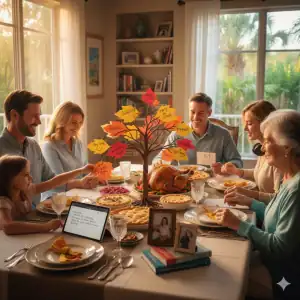
Solutions: - Arrive early when it's quieter - Identify a quiet retreat space - Bring comfort items without shame - Set realistic interaction expectations - Use code words for when they need breaks
When Professional Help Is Needed
While some holiday anxiety is normal, certain signs indicate professional support would help:
- Anxiety interferes with sleep for more than a week
- School refusal increases after breaks
- Physical symptoms (headaches, stomachaches) occur daily
- Anxiety prevents participation in most holiday activities
- Panic attacks or extreme avoidance behaviors emerge
The American Academy of Child & Adolescent Psychiatry emphasizes that early intervention prevents anxiety from becoming entrenched. Our specialized child anxiety treatment programs use evidence-based approaches tailored to each child's developmental stage.
Supporting Your Anxious Child: A Parent's Role
Parents are crucial in managing childhood anxiety. However, well-meaning attempts to help can sometimes maintain anxiety. Research in the Journal of Anxiety Disorders shows that parental accommodation of anxiety, such as changing family routines to help a child avoid feared situations, is extremely common and is associated with more severe anxiety symptoms.
What Helps:
- Validate feelings without fixing: "I see you're worried about the party. That makes sense."
- Model calm behavior: Children mirror parental anxiety responses
- Praise brave behavior: Notice when they face fears, however small
- Maintain boundaries: Don't let anxiety rule family decisions
- Practice self-care: Your stress directly impacts your child's anxiety
What Doesn't Help:
- Avoiding all anxiety triggers
- Excessive reassurance seeking
- Dismissing fears as silly
- Comparing to other children
- Surprising with exposures
Building Long-Term Resilience
Holiday anxiety management isn't just about surviving December – it's about building skills for life. Harvard's Center on the Developing Child identifies key factors in building resilience that we incorporate into treatment:
Secure Relationships: At least one stable, caring relationship with an adult is the strongest predictor of resilience. We help strengthen parent-child bonds through attachment-based interventions.
Self-Regulation Skills: Teaching children to manage emotions, thoughts, and behaviors provides lifelong benefits. Our DBT-informed approaches build these crucial skills.
Mastery Experiences: Successfully managing holiday anxiety builds confidence for future challenges. We help families create achievable challenges that build competence.
FAQ: Your Questions About Children's Holiday Anxiety
Q: My child's anxiety seems worse this year than last. Is this normal?
A: Anxiety can fluctuate based on developmental stages, accumulated stress, and specific triggers. Each year brings different challenges. What matters is addressing current symptoms rather than comparing to previous years. Professional assessment can determine if intervention would help.
Q: Should we skip holiday events to avoid triggering our anxious child?
A: Complete avoidance often increases anxiety long-term. Instead, we recommend graduated exposure – starting with smaller, shorter events and building up. Work with a therapist to create an exposure plan that challenges without overwhelming.
Q: How do I explain to relatives why my child needs special accommodations?
A: Keep explanations simple: "Sarah is working on managing big feelings, and we're helping her learn coping skills." You don't owe anyone detailed explanations. Focus on what your child needs, not others' opinions.
Q: Can medication help with holiday anxiety in children?
A: While psychologists don't prescribe medication, we work with psychiatrists when medication might help. Research shows therapy is the first-line treatment for childhood anxiety, with medication considered for severe cases. We can help you explore all options.
Q: How young is too young for anxiety therapy?
A: We successfully treat anxiety in children as young as three using play therapy techniques. Early intervention is actually ideal – younger children often respond more quickly to treatment than older ones with entrenched patterns.
Help Your Child Enjoy the Holidays Again
Our doctoral-level child psychologists specialize in helping anxious children thrive. Using evidence-based approaches like TF-CBT, play therapy, and family systems work, we provide compassionate support tailored to your child's unique needs.
Expert child anxiety treatment at both locations:
Schedule a consultation: 941-702-2457
Child-friendly offices • Play therapy rooms • Most insurance accepted
References
American Academy of Child & Adolescent Psychiatry. (2023). Anxiety and children. https://www.aacap.org/AACAP/Families_and_Youth/Facts_for_Families/FFF-Guide/The-Anxious-Child-047.aspx
American Academy of Pediatrics. (2016). Recommended amount of sleep for pediatric populations. Pediatrics, 138(2), e20161601.
Association for Play Therapy. (2023). Play therapy makes a difference. https://www.a4pt.org/page/PTMakesADifference
Autism Speaks. (2023). Visual supports and autism. https://www.autismspeaks.org/tool-kit/autism-care-networkair-p-visual-supports-and-autism
Centers for Disease Control and Prevention. (2023). Data and statistics on children's mental health. https://www.cdc.gov/children-mental-health/data-research/index.html
Child Mind Institute. (2023). Helping kids handle disappointment. https://childmind.org/article/how-to-help-your-kids-handle-disappointment/
Connolly, S. D., Bernstein, G. A., & Work Group on Quality Issues. (2007). Practice parameter for the assessment and treatment of children and adolescents with anxiety disorders. Journal of the American Academy of Child & Adolescent Psychiatry, 46(2), 267-283.
Crawley, S. A., et al. (2014). Somatic complaints in anxious youth. Child Psychiatry & Human Development, 45(4), 398-407.
Dunning, D. L., et al. (2019). Research review: The effects of mindfulness-based interventions on cognition and mental health in children and adolescents. A meta-analysis of randomized controlled trials. Journal of Child Psychology and Psychiatry, 60(3), 244-258.
Harvard University Center on the Developing Child. (2023). A guide to resilience. https://developingchild.harvard.edu/resource-guides/guide-resilience/
James, A. C., et al. (2020). Cognitive behavioural therapy for anxiety disorders in children and adolescents. Cochrane Database of Systematic Reviews, 11, CD013162.
Lebowitz, E. R., et al. (2020). Parent-based treatment as efficacious as cognitive-behavioral therapy for childhood anxiety. Journal of the American Academy of Child & Adolescent Psychiatry, 59(3), 362-372.
National Center for Pyramid Model Innovations. (2018). How to use visual schedules to help your child understand expectations. https://www.challengingbehavior.org/document/routines-and-schedules-how-to-use-visual-schedules-to-help-your-child-understand-expectations/
Piacentini, J., et al. (2014). 24- and 36-week outcomes for the Child/Adolescent Anxiety Multimodal Study (CAMS). Journal of the American Academy of Child & Adolescent Psychiatry, 53(3), 297-310.
STAR Institute for Sensory Processing. (2023). Understanding sensory processing disorder. https://sensoryhealth.org/basic/understanding-sensory-integration-process
Zero to Three. (2023). Tips on helping your child build relationships. https://www.zerotothree.org/resource/tips-on-helping-your-child-build-relationships/
Visit our Sarasota or Venice office. Meet our team of licensed psychologists.
Get Professional Help from Licensed Psychologists
Our doctoral-level psychologists in Sarasota and Venice can help with your mental health needs.
Call (941) 702-2457 to schedule a consultation.