
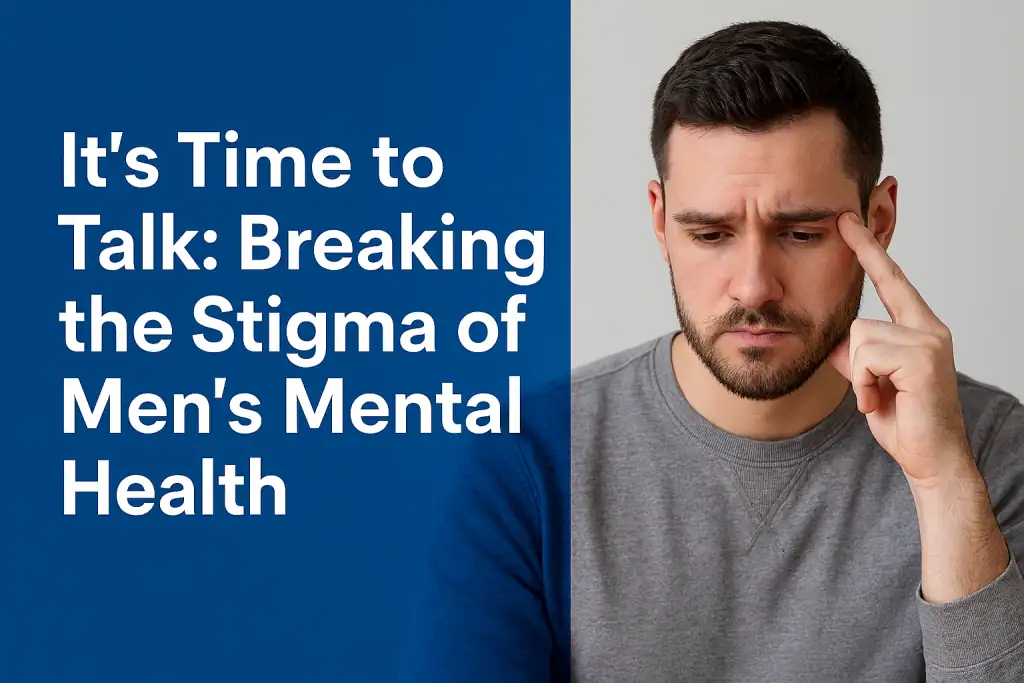
Men’s mental health is a topic that often remains in the shadows. Despite growing mental health awareness, many men still face stigma. This stigma can prevent them from seeking the help they need.
Societal norms often dictate that men should be strong and stoic. These expectations can discourage men from expressing vulnerability. As a result, many men suffer in silence.
The stigma surrounding men’s mental health is a barrier to mental health support. It can lead to feelings of shame and isolation. This stigma can have serious consequences for men’s well-being.
Breaking the stigma requires open conversations and mental health advocacy. It’s crucial to challenge stereotypes and promote mental health awareness. By doing so, we can create a more supportive environment for men.
Mental health support is essential for everyone, regardless of gender. Men should feel empowered to seek help without fear of judgment. Encouraging open dialogue can help normalize mental health discussions.
Personal stories and testimonials can be powerful tools for change. They can inspire others to seek help and break the silence. Sharing experiences can foster understanding and empathy.
It’s time to talk about men’s mental health. Together, we can break the stigma and support each other. Let’s create a culture of acceptance and understanding.
 by Y (https://unsplash.com/@aninay2023)
Understanding Men’s Mental Health: The Scope and the Struggle
Men’s mental health is a complex issue with many layers. Despite being a critical aspect of overall health, it’s often overlooked. This negligence can have dire consequences.
Men face unique mental health challenges compared to women. These challenges include higher rates of substance abuse and suicide. Understanding these differences is crucial for effective support.
Traditional gender roles play a significant part in these struggles. They often push men to hide their feelings. Over time, this can lead to internal conflicts and worsening mental health.
Many men aren’t aware of the signs of mental health issues. This lack of knowledge can delay the pursuit of help. Early intervention can make a significant difference.
A variety of factors contribute to mental health challenges in men:
- Societal expectations and gender norms
- Cultural influences and family dynamics
- Stress from work and personal life pressures
Promoting mental health awareness can aid in recognizing these issues early. It’s important to educate men about their mental health. Awareness is the first step toward better coping mechanisms.
Mental health professionals can play a pivotal role. They can tailor interventions specifically to men’s needs. Personalized care can lead to more successful outcomes.
We must acknowledge the struggle men face with mental health. By understanding the scope, we can work toward better support systems. Addressing these issues requires a collective effort from all of us.
 by Jaime Dantas (https://unsplash.com/@jaimedantas)
The Roots of Men’s Mental Health Stigma
The stigma surrounding men’s mental health has deep roots. Understanding where it originates is vital for effectively addressing it.
Traditional masculinity is one of the major contributors. It endorses the idea that real men should be stoic. This pressures men to conceal their vulnerabilities.
Cultural norms also play a significant role. Many cultures encourage men to be the “rock” of the family. This expectation makes emotional expression a daunting task.
Societal expectations exaggerate these pressures. They portray emotional struggles as a sign of weakness. This creates a toxic environment for men’s mental health.
Media representation hasn’t always been fair to men’s emotional expression. Common portrayals often glorify toughness. Rarely do they highlight emotional openness and vulnerability.
Several key factors contribute to the stigmatization of men’s mental health:
- Traditional ideals of masculinity and strength
- Lack of open communication about emotions
- Limited male role models who openly share their struggles
The fear of judgment discourages men from seeking help. Peer reactions can amplify this fear. Men may worry about being perceived as inadequate by others.
To address these roots effectively, we must challenge stereotypes. Promoting positive portrayals of men embracing mental health is crucial. Societal change begins with altering these entrenched perceptions.
Raising mental health awareness through campaigns can help demystify these issues. Public conversations about men’s mental health can dismantle harmful stereotypes. It’s time for society to embrace a broader understanding of masculinity.
How Stigma Manifests: Social, Self, Professional, and Cultural Barriers
Stigma against men’s mental health doesn’t just exist—it actively manifests in various forms. These barriers can hinder men from seeking necessary help.
Socially, men feel compelled to conform to expectations. This often involves hiding emotional vulnerabilities. The fear of social ostracization makes openness a challenge.
Self-imposed barriers also exist. Men may internalize societal norms, causing them to judge themselves harshly. This can lead to self-stigma, exacerbating feelings of shame and isolation.
In professional environments, stigma can manifest as discrimination. Men may fear that showing vulnerability will impact their career progression. The pressure to appear strong at work adds another layer of stress.
Culturally, barriers can vary across different communities. In some places, mental health discussions are taboo. This makes it difficult for men to voice their struggles openly.
Four main ways stigma manifests include:
- Social barriers that promote conformity and silence
- Self-barriers due to internalized societal norms
- Professional barriers impacting career progression
- Cultural barriers that discourage open dialogues
Each of these barriers contributes to a cycle of silence and inaction. They prevent men from accessing the support they desperately need. Understanding these diverse manifestations is crucial for addressing them effectively.
Efforts to reduce men’s mental health stigma must consider these multi-layered barriers. We need strategies tailored to target each type. This holistic approach will foster a more accepting and supportive environment for men.
 by Kasra Assadian (https://unsplash.com/@dekasra)
The Impact of Stigma: Consequences for Men and Their Loved Ones
The stigma surrounding men’s mental health leaves deep scars on the individuals and those around them. It perpetuates a cycle of suffering and silence.
Men often endure mental health challenges quietly. This silence can lead to worsening symptoms and increased distress. Such struggles may go unnoticed until they escalate.
The emotional burden of stigma is heavy. It fosters feelings of shame, inadequacy, and isolation. Men may feel they cannot live up to societal standards of masculinity.
These internal struggles often ripple outwards. Relationships with family and friends can strain under the pressure of unspoken mental health issues. Loved ones may sense something is amiss but feel unsure about how to help.
The consequences extend beyond emotional distress. Untreated mental health issues can impact physical health. They often result in increased stress, sleep disturbances, and chronic health conditions.
The financial toll is another consequence. Men may miss work or underperform due to mental health struggles. This can create additional stress and financial strain.
Overall, the impact of stigma includes:
- Emotional distress and feelings of isolation
- Strained relationships with family and friends
- Negative effects on physical health
- Financial stress due to work-related issues
These consequences underline the importance of addressing men’s mental health stigma. It’s a step toward healing and healthier relationships.
To break the cycle, we need to encourage open conversations. Supportive communities can help dismantle the stigma barrier, leading to profound and positive changes in men’s lives.
 by Nguyễn Hiệp (https://unsplash.com/@hieptltb97)
Common Mental Health Challenges Faced by Men
Men face unique mental health challenges that often go unrecognized. Social norms and expectations can mask these struggles. Understanding the common issues can foster better support and intervention.
Depression is prevalent among men, yet often remains hidden. Society’s portrayal of men as strong can discourage them from expressing vulnerability. This internal conflict can intensify feelings of sadness or hopelessness.
Anxiety is another common issue. Men might feel pressure to succeed, leading to overwhelming stress. Daily life can become a constant battle to manage these anxious thoughts and fears.
Substance abuse frequently intertwines with mental health struggles. Men might turn to alcohol or drugs as coping mechanisms. This behavior can mask and exacerbate underlying issues.
Anger and irritability can be symptoms of unaddressed mental health concerns. Men may express distress through anger, leading to misunderstandings and strained relationships. Recognizing this pattern is crucial for effective intervention.
Suicide rates remain alarmingly high among men. The stigma often prevents open discussions about suicidal thoughts. Understanding the risk factors and signs is essential to offer timely help.
Major mental health challenges faced by men include:
- Depression
- Anxiety
- Substance abuse
- Anger and irritability
- Suicidal thoughts
Recognizing and addressing these issues can significantly improve men’s quality of life. Open conversations and compassionate support can pave the way for healing.
 by Dimmis Vart (https://unsplash.com/@dimmisvart)
Recognizing the Signs: When Men Need Mental Health Support
Men often grapple with mental health issues silently, making recognition essential. Spotting signs early can lead to timely support and intervention.
Changes in mood or behavior can indicate underlying issues. Sudden shifts in temperament may signify distress. Withdrawal from activities once enjoyed can also signal problems.
Pay attention to physical symptoms. Unexplained aches, sleep disturbances, or weight changes might be linked to mental health. Men might not verbalize their struggles but express them through their bodies.
Work and relationships can suffer when mental health declines. Decreased performance or conflicts at work are warning signs. Relationship tensions or reduced communication may also reflect deeper problems.
Substance use as a coping mechanism can be a red flag. Increased reliance on alcohol or drugs might hint at efforts to self-medicate. Recognizing this pattern is a vital step towards recovery.
Signs that might suggest a man needs mental health support include:
- Significant mood changes
- Withdrawal from social activities
- Physical complaints without clear causes
- Decreased work performance
- Increased substance use
Understanding these signs allows for timely conversations and interventions. Supporting men in these situations can promote better outcomes.
Why Men Don’t Seek Help: Barriers to Mental Health Support
Men often face hurdles that prevent them from seeking mental health support. Understanding these barriers is crucial to foster a supportive environment.
Societal expectations play a significant role. Traditional views on masculinity discourage vulnerability. Men may feel pressure to appear strong and self-reliant.
Fear of judgment is a powerful deterrent. Concerns about being perceived as weak or unmanly can discourage seeking help. This stigma makes opening up about mental health challenges more difficult.
Access to mental health resources is another barrier. Some men may not know where to find support or feel unsure about the process. Financial constraints can also limit access to therapy and other treatments.
Additionally, there’s often a lack of awareness about mental health issues. Men may not recognize their symptoms or understand the importance of addressing them. This ignorance can delay seeking help until issues become severe.
To sum up, barriers to mental health support for men include:
- Societal pressures to maintain a tough exterior
- Fear of being judged or stigmatized
- Limited access to mental health resources
- Financial constraints affecting treatment affordability
- A lack of awareness about mental health issues
By addressing these obstacles, we can encourage more men to seek the help they need.
Breaking the Silence: Encouraging Open Conversations
Breaking the silence is a crucial step in addressing men’s mental health stigma. Open conversations can transform how men perceive and approach their mental health.
Creating safe spaces for dialogue is essential. These spaces allow men to share their thoughts without fear of judgment. Safe spaces can be both physical places and supportive relationships.
Encourage empathy in discussions about mental health. Listening without interruption or judgment makes a significant impact. It fosters a sense of understanding and reduces feelings of isolation.
Promoting dialogue involves more than just talking. It means actively engaging in conversations that challenge stereotypes. Question harmful narratives around masculinity and mental health openly and often.
To facilitate open conversations, consider these strategies:
- Create non-judgmental environments for men to express feelings
- Promote active listening and empathy in discussions
- Challenge stereotypes that hinder open mental health dialogue
- Share mental health resources widely to normalize seeking help
 by Museums of History New South Wales (https://unsplash.com/@mhnsw)
Encouraging open conversations helps dismantle the stigma around men’s mental health. By doing so, we support healthier, happier lives for men.
The Role of Loved Ones: How to Support Men’s Mental Health
Loved ones play a vital role in supporting men’s mental health. Your empathy and understanding can make a difference. It’s essential to show patience and approach conversations with care.
Encourage men to express their feelings openly. Let them know it’s okay to talk about their mental health challenges. This helps reduce feelings of isolation and fosters a sense of connection.
Be observant of behavioral changes that might indicate mental health struggles. Changes in mood, energy, or social interactions can be signs. Address these changes gently and without judgment.
Offer practical support by sharing resources and encouraging help-seeking. Guide them towards professional mental health support, like therapy or counseling. Remember, your role is to support, not to fix.
To support men’s mental health effectively, consider:
- Creating a safe and non-judgmental environment
- Encouraging open communication about emotions
- Being observant of behavioral changes and addressing them
- Offering resources and professional support guidance
Understanding the importance of your role can profoundly impact their mental well-being. By extending love and support, you contribute to breaking the stigma.
The Power of Personal Stories: Real Voices, Real Change
Stories hold immense power in breaking the stigma of men’s mental health. When men share their experiences, they inspire others. This openness encourages more men to seek help.
Hearing real voices can reshape perceptions about mental health. It shows that vulnerability is not a weakness but a sign of strength. Personal stories help dispel myths and challenge harmful stereotypes.
Testimonials from men who’ve faced mental health struggles can be transformative. These stories promote understanding and empathy. They showcase resilience and the importance of reaching out for support.
Sharing a mental health journey can provide:
- Encouragement for others to seek help
- Insight into overcoming mental health challenges
- A sense of community and shared experiences
Personal stories ignite change and foster a culture of acceptance. They remind us all of the shared human experience and the value of mental health awareness.
 by Cristina Gottardi (https://unsplash.com/@cristina_gottardi)
Mental Health Support: Resources and Treatment Options for Men
Accessing mental health support is crucial for well-being. Men have diverse resources at their disposal to aid their mental health journey. Understanding these options can make a significant difference.
Therapy is a key resource, providing men with tools to manage emotions. Cognitive-behavioral therapy, in particular, is effective for many issues. Therapists can tailor approaches to fit individual needs.
Support groups offer community and connection. Engaging with others who face similar challenges can be healing. These groups provide shared understanding and reduce feelings of isolation.
Online resources expand access to support. Mental health apps and forums offer flexibility and anonymity. These tools allow men to explore support at their own pace.
Key resources include:
- Individual therapy sessions
- Support groups, both in-person and virtual
- Digital tools like apps and forums
Treatment options are diverse, and combining them can yield the best results. Encouraging men to explore these options is a step toward breaking stigma and fostering mental health awareness.
 by Marcel Strauß (https://unsplash.com/@martzzl)
The Workplace and Men’s Mental Health: Creating Supportive Environments
Work environments have a profound impact on mental health. Supportive workplaces can foster well-being and reduce men’s mental health stigma. Employers play a critical role in creating such environments.
Promoting mental health awareness at work can normalize discussions. Training programs can educate employees on recognizing and supporting mental health needs. Such initiatives make a significant difference.
Flexible work policies enable men to manage their mental health effectively. Encouraging breaks, manageable workloads, and remote work options can reduce stress. These measures support mental health positively.
Employers can consider the following steps to support mental health:
- Implement mental health awareness programs
- Encourage flexible working conditions
- Offer access to mental health support
Open dialogue and proactive measures create a healthier workplace culture. This approach benefits not just individuals but the organization as a whole.
 by Pasha Chusovitin (https://unsplash.com/@rusky_pasha)
Community and Advocacy: Driving Change Beyond the Individual
Community involvement is pivotal in tackling men’s mental health stigma. Collective efforts have far-reaching impacts that extend beyond individuals.
Advocacy groups work tirelessly to raise mental health awareness. They aim to change public perceptions and foster supportive environments for men. Their initiatives highlight the importance of mental health support.
Communities can drive change by embracing mental health advocacy. Collaborative efforts amplify voices and build robust support networks. These networks encourage men to share their experiences openly.
Key actions for communities include:
- Hosting mental health awareness events
- Supporting local advocacy groups
- Creating safe spaces for discussion
Through these actions, we can reduce stigma and make mental health resources more accessible. This united front enhances collective well-being and paves the way for significant societal change.
Moving Forward: Building a Culture of Mental Health Awareness
Creating a culture where mental health awareness thrives is essential for dismantling stigma. This change begins with education and open dialogue.
Promoting mental health education in schools and workplaces is crucial. Knowledge empowers individuals to recognize and address mental health issues. Increased awareness encourages early intervention and support-seeking behavior.
It is vital to challenge outdated stereotypes about masculinity. Encouraging men to express their emotions fosters emotional well-being. A shift towards vulnerability and openness benefits everyone in society.
Consider these strategies to enhance mental health awareness:
- Implement mental health training programs
- Encourage conversations around emotions and mental health
- Celebrate positive role models and success stories
By adopting these strategies, we create a more inclusive and supportive environment. Such environments inspire continuous dialogue and progressive change, ensuring mental well-being is a communal priority.
Conclusion: A Call to Action for Breaking Men’s Mental Health Stigma
Breaking the stigma around men’s mental health is crucial for healthier communities. We must commit to open discussions and compassionate support.
Encouragement and resources should be accessible to all men. This empowers them to seek help and embrace vulnerability without fear.
Together, let’s create a future where mental health awareness is universal. By doing so, we foster an environment where men feel safe to share and heal.
Learn more about our Sarasota office, our Venice office, psychology services, and our team of licensed psychologists at Davenport Psychology.
Get Professional Help from Licensed Psychologists
Our doctoral-level psychologists in Sarasota and Venice can help with your mental health needs.
Call (941) 702-2457 to schedule a consultation.