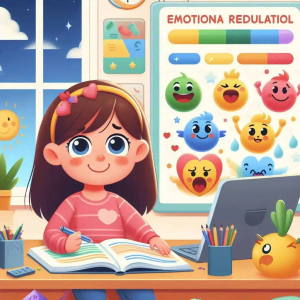

Fatherhood is evolving, and with it, the role of modern dads. Today, fathers are more involved in parenting than ever before. This shift brings new challenges and opportunities.
Modern dads face unique mental health challenges. Balancing work, family, and personal well-being can be tough. Societal expectations add pressure, making it crucial for fathers to prioritize their mental health.
Supporting children’s mental health is a key responsibility for fathers. A father’s mental well-being directly impacts his children’s emotional development. Engaged fathers can foster a nurturing environment for their kids.
Open communication is vital in building strong father-child relationships. Fathers can model healthy emotional expression and coping strategies. This helps children develop resilience and emotional intelligence.
Self-care is essential for modern dads. Seeking support and practicing self-care can improve a father’s mental health. This, in turn, benefits the entire family.
Breaking the stigma around mental health is important. Fathers should feel empowered to seek help and share their experiences. Promoting mental health awareness can lead to healthier family dynamics.
In this article, we’ll explore how modern dads can support their children’s mental health. We’ll provide practical advice and strategies for fathers to enhance their parenting skills and well-being.
The Changing Landscape of Fatherhood
The role of fathers has transformed over the last few decades. Today, many dads take on more active parenting roles than in the past. This change reflects a broader shift in societal norms and values.
Involved fathers are no longer the exception but increasingly the norm. This engagement benefits both children and parents alike. Studies show that children with engaged fathers often perform better academically and socially.
Modern dads navigate various challenges. Balancing traditional work duties with family responsibilities is one key challenge. Yet, the rewards of being actively involved in their children’s lives are significant.
Active fatherhood can strengthen emotional bonds within the family. Fathers who participate in daily activities and decisions model positive behavior for their children. This involvement lays the foundation for a supportive family environment.
Some typical activities modern dads engage in include:
- Attending school events
- Participating in sports and recreation with their children
- Being involved in daily routines such as reading bedtime stories
This involvement reshapes how society views fatherhood.
 by Irish83 (https://unsplash.com/@irish83)
Modern fatherhood also calls for breaking stereotypes about gender roles. Fathers today embrace caregiving roles, challenging outdated norms. This fosters equality in parenting and supports mental well-being for all family members.
Why Fatherhood Mental Health Matters
Fatherhood mental health plays a critical role in family dynamics. A father’s mental well-being directly affects children and partners. When dads manage stress well, it creates a peaceful home environment.
Fathers often experience societal pressures to be strong and stoic. Yet, acknowledging emotions is vital for nurturing healthy relationships. Emotional intelligence in fathers can enhance their parenting skills significantly.
Healthy mental habits benefit the whole family. Children observe and mimic how their fathers handle emotions. This modeling helps children develop emotional regulation skills themselves.
A father’s mental health influences family stability and connection. When fathers engage emotionally, children feel more secure and understood. This security fosters better communication and closeness among family members.
Consider these positive outcomes of prioritizing fatherhood mental health:
- Improved family communication
- Stronger emotional connections
- Lower stress levels for everyone
- Healthier coping mechanisms for children
Valuing mental health equips fathers to face parenting challenges more effectively. As a result, families thrive in a nurturing and supportive environment. Emphasizing mental well-being sets the stage for lasting positive changes.
Unique Mental Health Challenges Modern Dads Face
Modern dads encounter a variety of mental health challenges. Shifting roles in parenting increase these pressures. Balancing work and family life adds to the stress load.
Societal expectations often demand fathers to fulfill multiple roles. They are expected to be providers, nurturers, and partners. This multifaceted responsibility can be overwhelming.
Many fathers struggle with feelings of inadequacy. The fear of not meeting societal or personal expectations looms large. This can lead to anxiety and decreased self-esteem.
Work-life balance remains a significant hurdle. Long work hours can limit quality time with family. This lack of balance can contribute to feelings of guilt.
Modern dads also face the challenge of expressing emotions. Traditional notions of masculinity discourage vulnerability. Yet, suppressing emotions can negatively impact mental health.
Moreover, some fathers may lack a supportive network. This isolation makes handling stress more difficult. Fathers benefit greatly from community support and connection.
Consider the mental health challenges modern dads face:
- Societal pressure to excel in multiple roles
- Balancing work and personal life effectively
- Overcoming traditional gender expectations
- Lack of emotional support networks
 by cheng feng (https://unsplash.com/@chengfengrecord)
To thrive, modern dads must address these unique challenges head-on. Understanding and acknowledging these pressures can lead to healthier coping strategies. Engaging in open discussions about mental health helps destigmatize these issues, fostering a supportive environment for all fathers.
The Impact of a Father’s Mental Health on Children
A father’s mental health significantly influences his children’s well-being. Children are perceptive and notice emotional shifts in their parents. A dad’s stress or anxiety can impact the home atmosphere.
Kids often emulate their parents’ emotional responses. An anxious or stressed father might pass on these traits. It’s crucial for fathers to model healthy emotional regulation.
Emotional presence is essential for a child’s development. Fathers who manage their mental health effectively show children the importance of self-care. This approach fosters resilience and emotional intelligence in kids.
Mental health issues in fathers can also affect parenting styles. Stress may lead to inconsistent discipline or reduced engagement. Recognizing these patterns allows for proactive adjustments, ensuring a supportive environment.
Consider the potential impacts of a father’s mental health:
- Modeling emotional regulation and resilience
- Providing a stable and nurturing environment
- Ensuring consistent and positive parent-child interactions
 by christian tokoto (https://unsplash.com/@tokoto)
By prioritizing mental health, fathers can better support their children’s development. Understanding their influence empowers dads to lead with empathy and stability, nurturing a healthy family dynamic.
Building Strong Father-Child Relationships
Strong father-child relationships form the foundation of a supportive home environment. Fathers who actively engage in their children’s lives create lasting bonds. These connections encourage trust and open communication.
Quality time spent together is crucial for fostering these bonds. Shared activities not only provide enjoyment but also strengthen the emotional link between father and child. This time together is invaluable.
For dads, being emotionally available is essential. Listening actively and showing empathy help children feel valued and understood. This approach encourages kids to express themselves freely, knowing they’ll be heard.
Consider these methods to build strong connections:
- Engage in hobbies or sports together
- Share daily routines, like reading at bedtime
- Celebrate achievements, big and small, to boost confidence
 by Jonathan Tomas (https://unsplash.com/@jotomas)
Consistency in presence and support promotes a sense of stability. Fathers who prioritize relationship-building set a positive example for their children. This not only nurtures their child’s mental health but also enriches the father’s own emotional well-being. Embracing these practices fosters a nurturing and loving family environment.
Practical Strategies for Supporting Your Child’s Mental Health
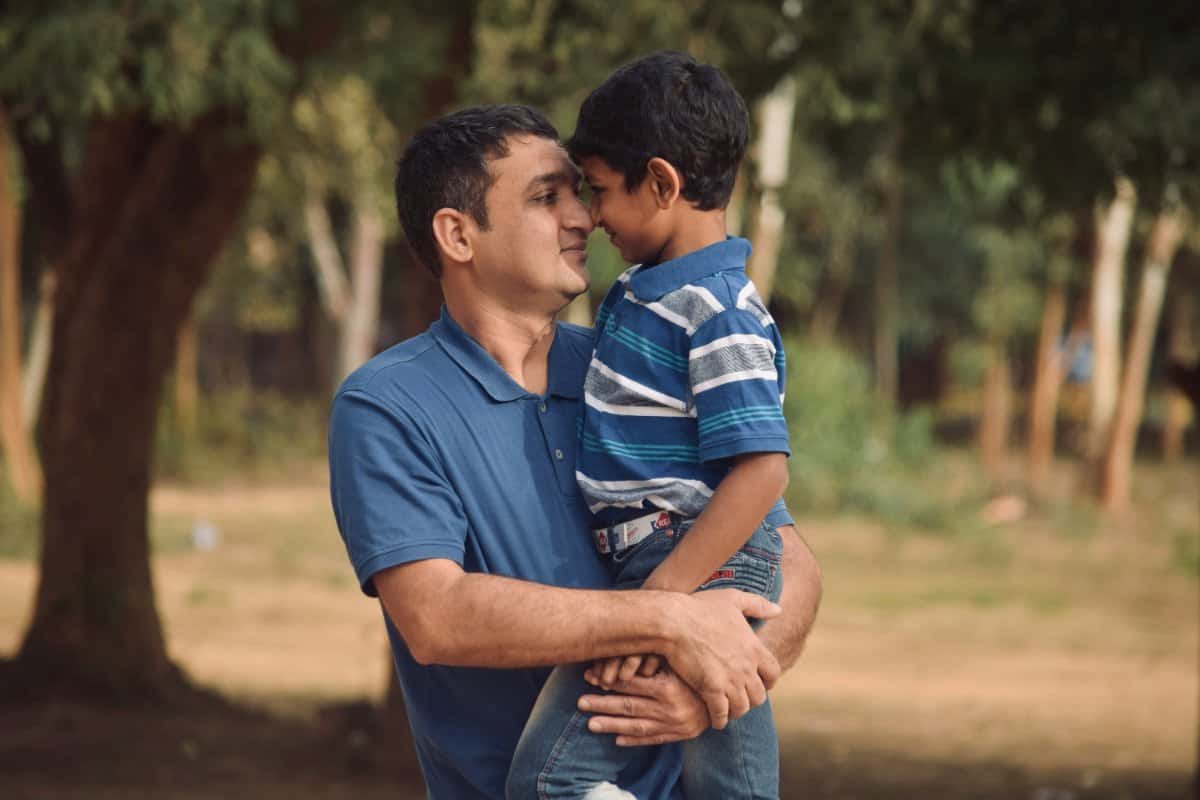
Supporting your child’s mental health requires intentional effort and commitment. Fathers can play a pivotal role in fostering their children’s emotional well-being. It begins with creating a safe and open environment for communication.
Active listening is an essential skill. When children share their feelings, listen without interrupting. Validate their emotions to help them feel heard and understood.
Building emotional intelligence in children is also crucial. Encourage them to identify and express their feelings. This skill helps them manage emotions effectively and builds resilience.
Here are strategies to enhance your child’s mental well-being:
- Encourage daily conversations about emotions
- Model healthy emotional expression
- Teach problem-solving skills through real-life scenarios
 by Rajesh Rajput (https://unsplash.com/@rrajputphotography)
Helping your child build healthy routines is another effective approach. Adequate sleep, balanced nutrition, and regular physical activity contribute significantly to mental health. Create a structured yet flexible routine to support these needs.
Additionally, mindfulness practices can benefit children immensely. Introduce them to simple mindfulness exercises or breathing techniques. These tools can help them manage stress and focus on the present.
Consider these activities to support mindfulness:
- Practice deep breathing techniques together
- Engage in activities like yoga or meditation
- Take quiet moments to reflect and relax together
Implementing these strategies can help fathers support their children’s mental health effectively. Building a strong emotional foundation and providing consistent support nurtures well-adjusted and confident children.
Self-Care and Seeking Support as a Dad
Taking care of oneself is vital for effective fatherhood. To support your children well, maintaining your own mental health is essential. Self-care isn’t a luxury; it’s a necessity.
Start by recognizing the signs of stress and burnout. If you’re feeling overwhelmed, it’s crucial to take a step back. Prioritizing your mental health enables better parenting.
Here are some self-care tips for dads:
- Set aside time for hobbies or relaxation
- Engage in regular physical activity
- Practice mindfulness or meditation
 by Sander Sammy (https://unsplash.com/@sammywilliams)
Don’t hesitate to seek support when needed. Talk to a trusted friend or professional about your challenges. Sharing your experiences can alleviate stress and provide new perspectives.
Joining support groups can also be immensely beneficial. Connecting with other fathers allows you to share advice and feel understood. Remember, seeking help is a sign of strength, not weakness.
By prioritizing self-care and seeking support, you model healthy behaviors for your children. This approach not only enhances your well-being but also positively impacts your family’s mental health dynamics.
Overcoming Stigma and Promoting Mental Health Awareness
Overcoming stigma surrounding mental health is crucial for modern dads. Many fathers hesitate to discuss their struggles due to fear of judgment. Yet, breaking this silence benefits everyone.
Promoting mental health awareness involves open conversations with family and friends. Start by normalizing discussions about feelings and mental health. This encourages a supportive environment at home.
Here’s how dads can help reduce stigma:
- Share personal stories about mental health journeys
- Encourage open dialogue about emotions with children
- Advocate for mental health initiatives in the community
Dads can play a vital role in shifting perceptions. By being open about their own struggles, they can help dismantle harmful stereotypes. Engaged fathers have the unique power to lead by example.
As more dads speak openly about mental health, societal attitudes will evolve. This openness creates a more accepting space for others to seek help without fear. Thus, promoting mental health awareness is not just about helping oneself; it’s about fostering a community that values well-being.
The Role of Co-Parenting and Community Support
Co-parenting offers vital support for modern dads. Sharing parenting responsibilities eases stress and improves mental health. Partners can provide empathy and understanding.
Effective co-parenting requires clear communication and respect. Both parents should regularly discuss their child’s needs and emotional well-being. This collaboration fosters a harmonious environment.
Community support plays an integral role as well. Engaging with other parents provides a network of encouragement and advice. Fathers can learn from shared experiences and insights.
Consider these benefits of community and co-parenting support:
- Reduces isolation by connecting with like-minded parents
- Offers practical advice and new parenting techniques
- Strengthens family bonds through shared goals and understanding
Embracing these support networks enriches parenting and mental health journeys. Together, co-parenting and community offer powerful resources for fathers striving to balance life’s challenges. They pave the way for a healthier, happier family dynamic.
Resources and Where to Find Help
Navigating fatherhood and mental health can seem daunting. Fortunately, numerous resources are available. These resources can provide support and guidance.
Online platforms offer valuable parenting and mental health insights. Websites like Psychology Today and Fatherly provide articles and expert advice. They cover a wide range of topics relevant to fathers.
Support groups are another excellent resource. Connecting with other dads in parenting groups can provide understanding and camaraderie. Sharing experiences often leads to solutions and reassurance.
Consider exploring the following resources:
- Books: Many books focus on modern parenting and mental health.
- Counseling Services: Professional therapists can offer personalized guidance.
- Parenting Workshops: These workshops can enhance parenting skills.
 by Edward Howell (https://unsplash.com/@edwardhowellphotography)
By reaching out and utilizing these resources, fathers can better support their children and themselves. Accessing help is a powerful step toward effective parenting and improved mental health.
Conclusion: Embracing the Modern Dad’s Journey
The journey of the modern dad is full of challenges and rewards. Embracing this evolving role requires courage, empathy, and resilience. Fathers today are redefining what it means to be a parent.
By prioritizing mental health, dads can significantly influence their children’s development. This influence is reflected in emotional well-being and healthy relationships. The positive impact extends beyond the family.
Being aware and proactive can enhance both personal and familial growth. Modern dads have the opportunity to foster a nurturing environment. This journey is about progress, not perfection, and celebrating each small victory.
The path to becoming a supportive and healthy father is ongoing. With each step taken, fathers contribute to shaping a brighter future for their families. Remember, being a dad is a lifelong adventure, filled with continuous learning and growth.
Learn more about our Sarasota office, our Venice office, and our team of licensed psychologists at Davenport Psychology.
Get Professional Help from Licensed Psychologists
Our doctoral-level psychologists in Sarasota and Venice can help with your mental health needs.
Call (941) 702-2457 to schedule a consultation.