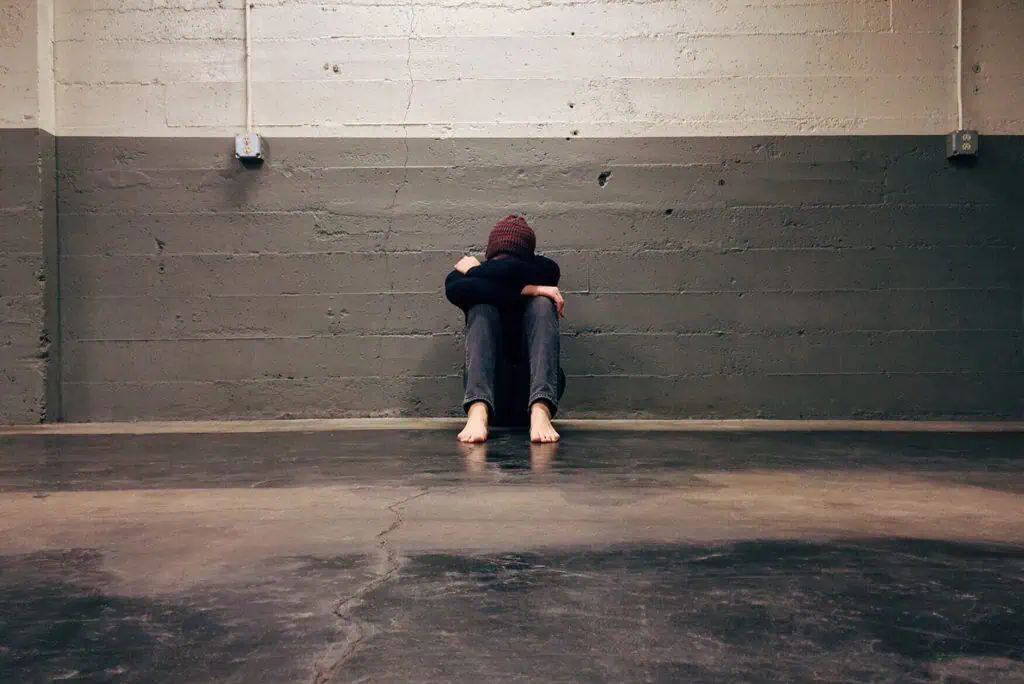
The weight on your chest makes it hard to breathe. Simple tasks feel insurmountable. Joy has become a distant memory, replaced by a persistent emptiness that colors everything gray. Whether you're experiencing major depression, persistent depressive disorder, or mood swings that disrupt your life, you're not alone in this struggle. At Davenport Psychology, we understand that depression and mood disorders aren't character flaws or weaknesses – they're legitimate medical conditions that respond well to professional treatment. Our experienced psychologists provide compassionate, evidence-based care to help you reclaim your life from the grip of depression.
Understanding Depression & Mood Disorders
21M
Adults affected yearly
80%
Respond to treatment
2/3
Never seek help
Sources: National Institute of Mental Health, American Psychological Association
What Is Depression?
Depression (ICD-10 codes F32, F33) is more than feeling sad or going through a rough patch. It's a persistent mental health condition that affects how you think, feel, and handle daily activities. Depression involves changes in brain chemistry and structure that impact mood regulation, making it impossible to simply "snap out of it" through willpower alone.
Clinical depression differs from normal sadness in several key ways:
- Duration: Symptoms persist for at least two weeks, often much longer
- Intensity: Feelings are overwhelming and disproportionate to circumstances
- Impact: Significantly interferes with work, relationships, and daily functioning
- Physical Symptoms: Includes changes in sleep, appetite, energy, and concentration
- Persistence: Doesn't improve with positive events or time alone
Types of Depression We Treat
Through our individual therapy services, we treat various forms of depression and mood disorders:
Major Depressive Disorder (MDD)
ICD-10: F32 (single episode), F33 (recurrent)
Major depression involves severe symptoms that interfere with your ability to work, sleep, study, eat, and enjoy life. Episodes may occur only once, but more often, people have multiple episodes. Symptoms must persist for at least two weeks and represent a change from previous functioning.
Persistent Depressive Disorder (Dysthymia)
ICD-10: F34.1
This chronic form of depression involves less severe but longer-lasting symptoms. You may function day-to-day but constantly feel "down" or like you're just going through the motions. Dysthymia lasts for at least two years and can be punctuated by episodes of major depression.
Bipolar Disorder
ICD-10: F31
Formerly called manic-depressive illness, bipolar disorder involves alternating episodes of depression and mania or hypomania. The depressive episodes are similar to major depression, while manic episodes involve elevated mood, increased energy, and impulsive behavior that can damage relationships and careers.
Seasonal Affective Disorder (SAD)
ICD-10: F33 with seasonal pattern
SAD is depression that occurs during specific seasons, typically winter months when there's less natural sunlight. Symptoms include oversleeping, weight gain, carbohydrate cravings, and social withdrawal – "hibernating" like a bear.
Postpartum Depression
ICD-10: F53.0
More severe than "baby blues," postpartum depression can occur during pregnancy or after delivery. It involves extreme sadness, anxiety, and exhaustion that interfere with bonding and caring for yourself and your baby.
Premenstrual Dysphoric Disorder (PMDD)
ICD-10: N94.3
PMDD involves severe mood changes, irritability, and depression in the weeks before menstruation. Symptoms are more intense than typical PMS and significantly impact relationships and daily functioning.
Signs and Symptoms of Depression
Emotional Symptoms
- Persistent sad, anxious, or "empty" mood
- Feelings of hopelessness or pessimism
- Feelings of guilt, worthlessness, or helplessness
- Loss of interest or pleasure in hobbies and activities (anhedonia)
- Increased irritability or frustration, even over small matters
- Feeling restless or having trouble sitting still
- Feeling slowed down or like you're moving in slow motion
- Thoughts of death or suicide, or suicide attempts
Cognitive Symptoms
- Difficulty concentrating, remembering, or making decisions
- Negative thought patterns and cognitive distortions
- Excessive self-criticism and rumination
- Difficulty finding words or organizing thoughts
- Slowed thinking or speaking
- Memory problems, especially with recent events
- Indecisiveness, even about minor choices
Physical Symptoms
- Decreased energy or fatigue
- Changes in appetite – weight loss or gain
- Sleep disturbances – insomnia or oversleeping
- Aches, pains, headaches without clear physical cause
- Digestive problems that don't respond to treatment
- Slowed movements or speech noticeable to others
- Loss of sexual interest or performance
Behavioral Symptoms
- Social withdrawal and isolation
- Neglecting responsibilities at work, school, or home
- Decreased activity and productivity
- Avoiding previously enjoyed activities
- Increased use of alcohol or drugs
- Self-harm behaviors
- Reckless or self-destructive behavior
The Hidden Face of Depression
Depression doesn't always look like sadness. Many people, particularly men and high-functioning individuals, experience "masked" or "smiling" depression:
High-Functioning Depression
- Maintaining work and social obligations despite inner struggle
- Appearing successful while feeling empty inside
- Perfectionism masking deep insecurity
- Exhaustion from maintaining the facade
- Feeling like a fraud or imposter
Anger-Based Depression
- Irritability and short temper rather than sadness
- Criticism of others and situations
- Road rage or aggressive behavior
- Relationship conflicts and arguments
- Feeling constantly frustrated or annoyed
Somatic Depression
- Physical complaints without medical cause
- Chronic pain that doesn't respond to treatment
- Digestive issues and stomach problems
- Headaches and muscle tension
- Fatigue that rest doesn't relieve
What Causes Depression?
Depression results from a complex interaction of factors:
Biological Factors
- Brain Chemistry: Imbalances in neurotransmitters like serotonin, dopamine, and norepinephrine
- Genetics: Family history increases risk by 40-50%
- Hormones: Changes during pregnancy, postpartum, menopause, thyroid problems
- Brain Structure: Differences in areas regulating mood, thinking, sleep, appetite
- Inflammation: Elevated inflammatory markers linked to depression
Psychological Factors
- Trauma: Childhood abuse, neglect, or adverse experiences
- Personality: Low self-esteem, pessimism, perfectionism
- Cognitive Patterns: Negative thinking styles and rumination
- Coping Skills: Limited strategies for managing stress
- Attachment Issues: Early relationship difficulties affecting adult connections
Environmental Factors
- Stress: Major life changes, chronic stress, trauma
- Loss: Death, divorce, job loss, relationship endings
- Isolation: Lack of social support or connection
- Abuse: Physical, emotional, or sexual abuse
- Poverty: Financial stress and limited resources
- Medical Conditions: Chronic illness, pain, or disability
The Impact of Untreated Depression
Without treatment, depression can have devastating consequences:
Personal Impact
- Increased risk of suicide (depression is involved in 60% of suicides)
- Substance abuse as self-medication
- Self-harm behaviors
- Decreased quality of life
- Loss of years to disability
Relationship Impact
- Marital problems and divorce
- Parenting difficulties
- Social isolation and loneliness
- Difficulty maintaining friendships
- Sexual dysfunction and intimacy issues
Professional Impact
- Decreased productivity and performance
- Increased absenteeism
- Difficulty concentrating and making decisions
- Job loss and unemployment
- Reduced earning potential
Physical Health Impact
- Increased risk of heart disease
- Weakened immune system
- Chronic pain conditions
- Sleep disorders
- Increased inflammation
- Earlier death from medical conditions
Our Evidence-Based Treatment Approaches
At Davenport Psychology, we use proven therapeutic approaches tailored to your specific needs:
Cognitive Behavioral Therapy (CBT)
CBT is one of the most effective treatments for depression. We help you identify and change negative thought patterns and behaviors that maintain depression. You'll learn to challenge distorted thinking, develop problem-solving skills, and engage in behavioral activation to increase positive activities.
Interpersonal Therapy (IPT)
IPT focuses on improving relationships and social functioning. We address four key areas: grief, role disputes, role transitions, and interpersonal deficits. By improving communication and relationship patterns, IPT helps resolve the interpersonal issues that contribute to depression.
Acceptance and Commitment Therapy (ACT)
ACT helps you accept difficult emotions rather than fighting them, while committing to actions aligned with your values. We teach mindfulness skills to observe thoughts without being controlled by them, and help you build a meaningful life even in the presence of depression.
Psychodynamic Therapy
This approach explores unconscious patterns and unresolved conflicts from the past that contribute to current depression. By gaining insight into these patterns, you can make different choices and break free from repetitive cycles.
Mindfulness-Based Cognitive Therapy (MBCT)
MBCT combines cognitive therapy with mindfulness practices. It's particularly effective for preventing depression relapse. You'll learn to observe thoughts and feelings without judgment, breaking the cycle of rumination that fuels depression.
Behavioral Activation
Depression often leads to withdrawal from activities, which worsens mood. Behavioral activation systematically increases engagement in meaningful activities, even when you don't feel like it, helping to break the depression cycle.
The Treatment Process
Initial Assessment
We begin with a comprehensive evaluation to understand your unique situation:
- Detailed history of symptoms and their impact
- Medical and psychiatric history
- Family history of mental health conditions
- Current stressors and support systems
- Previous treatment experiences
- Risk assessment for self-harm
Treatment Planning
Together, we develop a personalized treatment plan:
- Setting realistic, achievable goals
- Choosing appropriate therapeutic approaches
- Determining session frequency
- Identifying need for additional support (psychiatry, groups)
- Creating a safety plan if needed
Active Treatment
Regular therapy sessions focus on:
- Learning and practicing new skills
- Processing emotions and experiences
- Challenging negative patterns
- Building coping strategies
- Strengthening relationships
- Monitoring progress and adjusting approach
Maintenance and Relapse Prevention
As symptoms improve, we focus on:
- Consolidating gains
- Identifying early warning signs
- Developing a relapse prevention plan
- Building long-term resilience
- Gradual reduction in session frequency
Self-Help Strategies That Support Recovery
While professional treatment is essential, these strategies can support your recovery:
Lifestyle Modifications
- Exercise: 30 minutes of moderate activity most days
- Sleep Hygiene: Regular sleep schedule, 7-9 hours nightly
- Nutrition: Balanced diet rich in omega-3s, whole grains, vegetables
- Sunlight: Daily exposure, especially in morning
- Limit Alcohol: Avoid using substances to cope
Social Strategies
- Stay Connected: Maintain contact even when you want to isolate
- Join Support Groups: Connect with others who understand
- Volunteer: Helping others can improve mood
- Schedule Pleasant Activities: Even small enjoyments matter
- Communicate Needs: Let loved ones know how to help
Cognitive Strategies
- Challenge Negative Thoughts: Question automatic negative assumptions
- Practice Gratitude: Daily acknowledgment of positives
- Limit Rumination: Set boundaries on worry time
- Focus on Present: Mindfulness over past regrets or future fears
- Self-Compassion: Treat yourself with kindness
Behavioral Strategies
- Create Routine: Structure provides stability
- Break Tasks Down: Small steps prevent overwhelm
- Track Mood: Notice patterns and triggers
- Engage in Hobbies: Even if enjoyment is reduced
- Limit Decision-Making: Reduce choices when overwhelmed
Depression in Different Populations
Women and Depression
Women experience depression at twice the rate of men, often related to:
- Hormonal fluctuations during menstruation, pregnancy, postpartum, menopause
- Higher rates of anxiety co-occurring with depression
- Social pressures and multiple role stress
- Higher rates of rumination
- Relationship-focused symptoms
Men and Depression
Men's depression often goes unrecognized because it may appear as:
- Anger, irritability, or aggression
- Risk-taking behaviors
- Substance abuse
- Workaholism
- Physical complaints rather than emotional
- Reluctance to seek help
Elderly Depression
Depression in older adults is often overlooked:
- Mistaken for normal aging
- Focus on physical rather than emotional complaints
- Complicated by medical conditions and medications
- Social isolation and loss of purpose
- Higher suicide risk, especially in men over 75
Teen Depression
Adolescent depression has unique features:
- Irritability more common than sadness
- Extreme sensitivity to criticism
- Academic decline
- Social media impacts
- Higher risk of self-harm
- Sleep pattern changes
When to Seek Emergency Help
Seek immediate help if you experience:
- Thoughts of suicide or self-harm
- A plan or means to hurt yourself
- Voices telling you to harm yourself or others
- Feeling out of control or unable to stay safe
- Sudden dramatic mood changes
Crisis Resources:
- 988 Suicide & Crisis Lifeline: Call or text 988
- Crisis Text Line: Text HOME to 741741
- Emergency Room: Go to nearest ER
- Call 911: If immediate danger
The Journey of Recovery
Recovery from depression is not linear. It involves:
Early Recovery (Weeks 1-4)
- Building therapeutic relationship
- Stabilizing severe symptoms
- Establishing safety
- Beginning to challenge patterns
- Small behavioral changes
Active Recovery (Weeks 5-12)
- Deeper therapeutic work
- Skill development and practice
- Gradual symptom improvement
- Increased activity and engagement
- Rebuilding connections
Sustained Recovery (Months 3-6)
- Consolidating gains
- Preventing relapse
- Building resilience
- Returning to fuller functioning
- Planning for future
Long-Term Management
- Maintaining wellness practices
- Monitoring for warning signs
- Periodic "booster" sessions
- Ongoing self-care
- Living meaningfully with awareness
Hope and Healing Are Possible
Depression tells you that things will never get better, but this is the illness talking, not reality. With proper treatment:
- 80% of people with depression respond well to treatment
- Most people see improvement within 4-6 weeks
- Combination of therapy and medication is most effective
- Relapse rates decrease with continued treatment
- Quality of life can return to or exceed pre-depression levels
Frequently Asked Questions About Depression
Is depression really a medical condition or just weakness?
Depression is absolutely a legitimate medical condition involving measurable changes in brain chemistry, structure, and function. Brain scans show clear differences in depressed brains. It's no more a weakness than diabetes or heart disease. Like other medical conditions, depression requires professional treatment and responds well to evidence-based interventions.
How long does depression treatment take?
While everyone's journey is unique, most people begin feeling some relief within 4-6 weeks of starting treatment. Significant improvement typically occurs within 3-6 months. Some people benefit from shorter-term treatment (12-20 sessions), while others with chronic or recurrent depression may need longer-term support. The goal is sustained wellness, not just symptom relief.
Can therapy alone treat depression or do I need medication?
Many people successfully treat mild to moderate depression with therapy alone. Studies show psychotherapy can be as effective as medication for many cases. However, moderate to severe depression often responds best to a combination of therapy and medication. We'll discuss all options and can coordinate with psychiatrists if medication might be helpful.
What if I've tried therapy before and it didn't help?
Not all therapy is the same, and finding the right fit is crucial. Different approaches work for different people, and the therapeutic relationship itself is a major factor in success. We use evidence-based treatments specifically proven effective for depression. If previous therapy didn't help, we'll explore what didn't work and try different approaches tailored to your needs.
Will I have depression forever?
While some people experience single episodes that fully resolve, others have recurrent episodes. However, with proper treatment and ongoing self-care, you can learn to manage depression effectively, recognize early warning signs, and prevent or minimize future episodes. Many people who've had depression go on to live fulfilling, joyful lives with the tools they've learned in treatment.
How do I know if I have depression or if I'm just sad?
Normal sadness is usually tied to specific events and improves with time and support. Depression persists for at least two weeks, affects multiple areas of life, includes physical symptoms like sleep and appetite changes, and doesn't improve with positive events. If sadness interferes with daily functioning or includes thoughts of hopelessness or death, it's time to seek professional evaluation.
You Don't Have to Face Depression Alone
Depression is treatable, and hope is real. Our experienced psychologists understand what you're going through and have helped hundreds of people reclaim their lives from depression. Take the first step toward feeling like yourself again.
Start your recovery today: 941-702-2457
Same-day appointments available • Insurance accepted • Telehealth options
Disclaimer: This information is for educational purposes only and does not constitute medical advice. Depression is a serious medical condition requiring professional evaluation and treatment. If you're experiencing thoughts of suicide or self-harm, please seek immediate help by calling 988 (Suicide & Crisis Lifeline) or going to your nearest emergency room.
The Psychologist’s Advantage in Treating Depression
While many professionals offer counseling, seeking treatment from a licensed clinical psychologist provides a critical advantage. Our doctoral-level training in psychopathology and differential diagnosis allows us to understand the deep, often hidden, complexities of mood disorders.
We are trained to distinguish between clinical depression and symptoms that may stem from other underlying issues, such as unresolved trauma, ADHD, or a medical condition. This expert diagnostic clarity is the foundation of an effective treatment plan, ensuring that we are not just managing symptoms, but addressing the root cause of your distress (American Psychological Association).
Beyond Sadness: Recognizing the Many Faces of Depression

Depression doesn’t look the same for everyone. While persistent sadness and loss of interest are hallmark symptoms, depression can also manifest as irritability, persistent anxiety, or anger. A person with depression may not be lying in bed all day; they may be burying themselves in projects, overeating, or struggling with restless insomnia. We recognize the many ways depression can appear and provide a nuanced approach to diagnosis (National Institute of Mental Health).
Common symptoms include:
-
Mood: Apathy, hopelessness, guilt, mood swings, or general discontent.
-
Behavioral: Social isolation, agitation, changes in sleep patterns (sleeping too much or too little).
-
Body & Physical: Fatigue, changes in appetite, unexplained aches and pains.
-
Cognitive: Lack of concentration, slowed thinking, or thoughts of self-harm.
The Serious Health Impact of Untreated Depression
It doesn’t just feel like everything is worse when you are depressed; depression has a real and measurable impact on your physical health. Research has shown that untreated depression can lead to increased levels of cortisol (the stress hormone) and systemic inflammation throughout the body.
In a community like Sarasota and Venice, where many individuals manage chronic conditions like arthritis, this is especially important. The link between chronic pain, inflammation, and depression can create a difficult cycle. Over time, untreated depression may increase the risk for other serious health problems, including stroke, heart disease, and diabetes. This makes early, professional depression treatment a critical part of your overall healthcare.
Our Evidence-Based Approach to Treating Depression
Our practice is committed to helping you find lasting relief. We utilize a range of powerful, scientifically-validated therapeutic modalities, tailoring our approach to your unique needs.
CBT is one of the most effective treatments for depression. It is a practical, goal-oriented approach that helps you identify, challenge, and reframe the negative thought patterns and behaviors that maintain the cycle of depression. Research has consistently shown that CBT can be as effective as medication for many individuals.
This exploratory approach helps you understand how past experiences, unresolved conflicts, and unconscious patterns may be influencing your current mood. By gaining insight into these underlying factors, psychodynamic therapy aims to achieve deep, lasting change and a stronger sense of self.
Depression often exists in the context of our relationships. IPT is a focused therapy that helps you improve your interpersonal skills and resolve conflicts in your relationships with family, partners, and friends. By strengthening your social support system, IPT can significantly reduce depressive symptoms.
The Role of Medication in Depression Treatment
Many studies have found that for some individuals, particularly those with more severe depression, a combination of psychotherapy and antidepressant medication is more effective than either treatment alone.
As psychologists, we do not prescribe medication. However, we work collaboratively with your primary care physician or a psychiatrist. If you are considering medication, we can help you explore that decision and coordinate care with your medical doctor to ensure you receive comprehensive, integrated treatment.
Frequently Asked Questions
How do I know if I really need therapy for depression?
If you have been experiencing a persistent low mood, loss of interest in activities you once enjoyed, changes in sleep or appetite, or feelings of hopelessness for more than two weeks, it is a strong indication that professional support could be beneficial (NIMH-Symptom Checklist).
I’ve tried therapy before and it didn’t work. How is this different?
This is a common and valid concern. The effectiveness of therapy is highly dependent on the right diagnosis, the right therapeutic approach, and a strong connection with your psychologist. Our doctoral-level diagnostic process and our expertise in multiple evidence-based models allow us to create a more tailored and often more effective plan than you may have experienced before. (APA Choosing a Therapist).
How long does depression treatment last?
The duration of therapy is highly individualized. Some clients find significant relief and gain the skills they need in a few months of focused work. Others with more chronic or complex depression benefit from longer-term therapy to address deeper patterns. We will work with you to create a personalized treatment plan that respects your goals (APA-Duration of Psychotherapy).