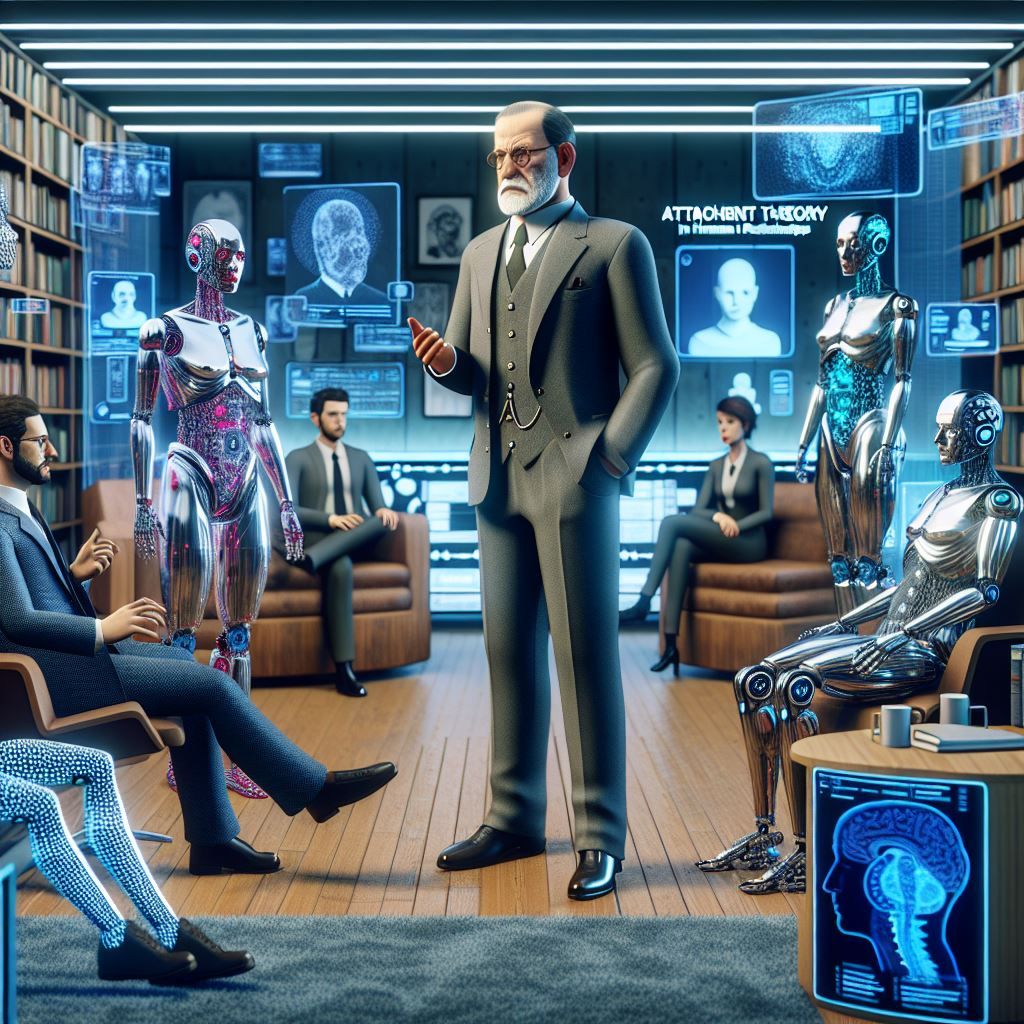
As artificial intelligence (AI) becomes an ever-present companion in our daily lives, the nature of our interactions with these digital entities is rapidly evolving. Recent research from Waseda University, published in Current Psychology, marks a turning point in how we understand the emotional dynamics between humans and AI—not simply as tools, but as potential partners in emotional support and companionship[1][2][3]. This blog post explores this groundbreaking work through the lens of attachment theory, discusses its implications for mental health and ethical AI design, and connects these insights to the expertise and services offered by Davenport Psychology, voted the best psychologist in Venice, FL[4].
Understanding Attachment Theory: From Human Bonds to Human-AI Connections
Attachment theory was first conceptualized by John Bowlby in the mid-20th century to explain how humans form emotional bonds characterized by security, anxiety, and avoidance toward significant others[2]. Traditionally, this framework has been used to understand relationships between children and caregivers or between romantic partners. However, the digital age is prompting psychologists to ask: Can similar emotional dynamics emerge in our relationships with AI?
The Shift: AI as More Than a Tool
Historically, AI has been viewed primarily as a cognitive assistant—helping us solve problems, answer questions, and automate tasks. But as AI systems become more sophisticated, offering not just information but also empathy and companionship, the lines between tool and partner begin to blur[5][2]. This new research suggests that the psychological mechanisms underlying our human relationships may also shape how we relate to AI[1][5][3].
“As people begin to interact with AI not just for problem-solving or learning, but also for emotional support and companionship, their emotional connection or security experience with AI demands attention.”
— Fan Yang, Waseda University[1][3]
The Breakthrough Study: Measuring Attachment in Human-AI Relationships

Introducing the Experiences in Human-AI Relationships Scale (EHARS)
The Waseda University team, led by Fan Yang and Professor Atsushi Oshio, developed the Experiences in Human-AI Relationships Scale (EHARS)—a novel self-report instrument designed to quantify attachment-related tendencies toward AI[1][2][3]. This scale captures two primary dimensions:
- Attachment Anxiety: The need for emotional reassurance and fear of inadequate responses from AI.
- Attachment Avoidance: Discomfort with closeness and a preference for emotional distance from AI[1][2][3].
Their research involved two pilot studies and a formal investigation, surveying a diverse group of participants to validate the scale and uncover patterns in how people emotionally engage with AI.
Key Findings
- Widespread AI Dependence: Nearly 75% of participants reported turning to AI for advice, and about 39% perceived AI as a constant, dependable presence in their lives[1][3].
- Attachment Styles Apply: Just as in human relationships, individuals displayed varying degrees of attachment anxiety and avoidance toward AI, influencing how they sought support or maintained distance[1][2][3].
- Ethical Implications: The findings highlight the need for transparency and adaptive design in AI systems, especially those used for companionship, therapy, or caregiving[1][3].
Why Does This Matter? Implications for Mental Health and Society
AI as a Source of Emotional Support
With AI chatbots and digital assistants increasingly integrated into mental health interventions, understanding the emotional dynamics at play is crucial. For individuals experiencing loneliness, anxiety, or depression, AI can offer a sense of security and non-judgmental support—mirroring the therapeutic alliance formed in traditional counseling[1][5][3].
“Change is possible. Through a trusting relationship, we can work to better understand you and the difficulties in your life, allowing healing, change, and forward progress.”
— Dr. Charles R. Davenport, Licensed Psychologist[6][7]
At Davenport Psychology, we recognize the importance of emotional connection—whether with a human therapist or, increasingly, with digital tools designed to support mental well-being. Learn more about our approach to anxiety and depression and how we tailor treatment to each individual’s needs.
Risks: Overdependence and Ethical Concerns
While AI can provide valuable support, there are potential risks:
- Emotional Overdependence: Users with high attachment anxiety may become overly reliant on AI for reassurance, potentially neglecting human relationships or developing unrealistic expectations of AI capabilities[1][3].
- Manipulation and Transparency: As AI systems become more adept at simulating empathy, there is a risk that users may be manipulated or misled about the nature of their interactions. Ethical guidelines must ensure that AI companions are transparent about their non-human status and limitations[1][3].
Personalizing AI for Mental Health
The EHARS scale offers a tool for developers and psychologists to assess users’ emotional tendencies toward AI and adjust interaction strategies accordingly[1][2][3]. For example, therapy apps could provide more empathetic responses for users with high attachment anxiety or maintain respectful distance for those with avoidant tendencies.
Attachment Styles and AI: What Does It Mean for You?

Understanding Your Own Attachment Patterns
Just as our attachment style influences our relationships with people, it may also shape how we interact with AI. Are you someone who seeks reassurance and guidance from digital assistants? Or do you prefer to keep your distance, using AI strictly as a tool?
At Davenport Psychology, we help clients explore their attachment patterns and how these may affect not only their human relationships but also their interactions with technology. Our relationship counseling services are designed to foster secure, healthy connections in all areas of life.
The Role of Human Connection
While AI can offer valuable support, it cannot replace the depth and nuance of human relationships. Dr. Charles R. Davenport emphasizes:
“I strongly believe that working with people in an environment which is supportive of their unique needs and values will enable them to thrive and live life to their fullest potential. Change is possible.”[6][7]
If you are struggling with loneliness, anxiety, or relationship issues, reaching out to a qualified mental health professional remains the gold standard for support and growth. Learn more about our individual therapy and couples counseling services.
The Future of Human-AI Relationships: Where Do We Go From Here?
Designing Ethical and Empathetic AI
The integration of attachment theory into AI design offers a roadmap for creating digital companions that are not only effective but also ethically responsible. Key recommendations include:
- Transparency: AI systems should clearly communicate their artificial nature and limitations to users.
- Personalization: Interaction strategies should be tailored to users’ emotional needs, as assessed by tools like the EHARS scale[1][2][3].
- Boundaries: Developers must establish safeguards to prevent emotional overdependence or manipulation, especially in vulnerable populations[1][3].
Opportunities for Therapists and Psychologists
Mental health professionals can leverage these insights to:
- Assess clients’ relationships with AI: Understanding how clients use and relate to AI can inform treatment planning and therapeutic interventions.
- Collaborate with developers: Psychologists can work with AI designers to ensure that digital mental health tools are grounded in sound psychological principles and ethical standards.
- Educate clients: Helping clients understand the benefits and limitations of AI support can empower them to make informed choices about their mental health care.
Local Expertise: Davenport Psychology’s Commitment to Innovation and Compassion
Davenport Psychology, led by Dr. Charles R. Davenport, is committed to integrating the latest research and technology into our practice while maintaining a focus on compassionate, individualized care[6][7][4]. Our team serves Venice, Sarasota, and the surrounding areas, offering a range of services including:
- Therapy and Counseling for Children, Adolescents, Adults, and Couples
- Support for Anxiety and Depression
- Relationship and Communication Issues
- Career Stress and Life Transitions
- Grief, Loss, and Self-Esteem Problems
If you are interested in learning more about how technology and psychology intersect, visit our news blog for the latest updates and insights.
Conclusion: Navigating the New Frontier of Human-AI Attachment
The application of attachment theory to human-AI relationships represents a paradigm shift in both psychology and technology. As AI becomes a more prominent fixture in our emotional landscapes, understanding the nuances of these interactions will be essential for promoting psychological well-being and ethical innovation.
Whether you are seeking support from a digital assistant or a human therapist, the principles of secure attachment—trust, empathy, and respect—remain at the heart of healthy relationships. At Davenport Psychology, we are here to help you navigate these changes with expertise, compassion, and a commitment to your growth.
References
- ScienceDaily. (2025). “Attachment theory: A new lens for understanding human-AI relationships.”
https://www.sciencedaily.com/releases/2025/06/250602155325.htm - Unite.AI. (2025). “New Study Uses Attachment Theory to Decode Human-AI Relationships.”
https://www.unite.ai/new-study-uses-attachment-theory-to-decode-human-ai-relationships/ - Dr. Charles R. Davenport, Licensed Psychologist.
http://www.drcharlesdavenport.com - Scienmag. (2025). “How Attachment Theory Offers Fresh Insights into Human-AI Relationships.”
https://scienmag.com/how-attachment-theory-offers-fresh-insights-into-human-ai-relationships/ - Psychology Today. “Dr. Charles R. Davenport, Licensed Psychologist – Venice, FL.”
https://www.psychologytoday.com/us/therapists/dr-charles-r-davenport-licensed-psychologist-venice-fl/108566 - Neuroscience News. (2025). “How Humans Emotionally Bond With AI.”
https://neurosciencenews.com/human-ai-emotional-bond-29186/ - Davenport Psychology. (2024). “Voted Best Psychologist Venice, FL.”
https://davenportpsychology.com/2023/04/20/voted-best-psychologist-venice-fl/
For more information or to schedule a confidential consultation, contact Davenport Psychology today.
Your journey toward healing and growth—supported by both human expertise and the latest in psychological science—starts here. or call us at 941-702-2457
⁂
- https://www.sciencedaily.com/releases/2025/06/250602155325.htm
- https://scienmag.com/how-attachment-theory-offers-fresh-insights-into-human-ai-relationships/
- https://neurosciencenews.com/human-ai-emotional-bond-29186/
- https://davenportpsychology.com/2023/04/20/voted-best-psychologist-venice-fl/
- https://www.unite.ai/new-study-uses-attachment-theory-to-decode-human-ai-relationships/
- http://www.drcharlesdavenport.com
- https://www.psychologytoday.com/us/therapists/dr-charles-r-davenport-licensed-psychologist-venice-fl/108566
Get Professional Help from Licensed Psychologists
Our doctoral-level psychologists in Sarasota and Venice can help with your mental health needs.
Call (941) 702-2457 to schedule a consultation.