
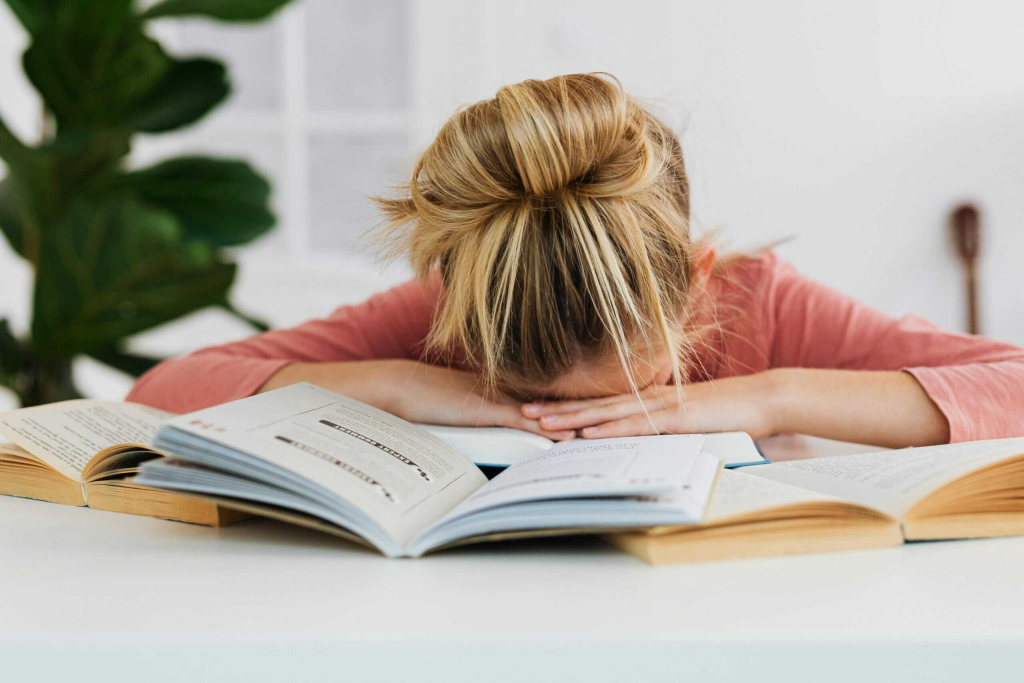
As the school year draws to a close in Sarasota County, many families notice something unexpected — their child, who may have been handling the academic year reasonably well, suddenly starts struggling. Finals week brings test anxiety to the surface, end-of-year social dynamics create stress around friend group changes and goodbyes, and the approaching transition to summer triggers uncertainty about what comes next. For many children and teens, the end of the school year is not a relief but a period of heightened stress that catches both parents and kids off guard.
Why the End of the School Year Is Stressful for Kids
The end-of-school-year stress that Sarasota and Venice families encounter has multiple sources that vary by age group. Elementary-aged children may experience anxiety about changing classrooms, getting a new teacher, or being separated from a favorite teacher or best friend. Middle schoolers face the intensifying pressure of final exams and the social upheaval that accompanies the transition to a new school or grade configuration. High schoolers contend with high-stakes testing, college preparation anxiety, and the existential weight of another year passed. According to the American Psychological Association’s Stress in America survey, school is consistently one of the top stressors reported by children and teens, with stress levels peaking during testing periods and transitions.
The Sarasota County Schools calendar compounds these pressures with standardized testing, final projects, and end-of-year activities compressed into the final weeks. Research from Eccles and Roeser (2011) on school transitions confirms that transitional periods are reliably associated with increased anxiety, decreased motivation, and behavioral changes in children and adolescents.
Signs Your Child Is Struggling with End-of-Year Stress
Behavioral changes are the primary signal that a child is experiencing more stress than they can manage. Watch for sleep disruption including difficulty falling asleep, nightmares, or changes in sleep patterns. Physical complaints such as stomachaches, headaches, or fatigue that intensify around school are common manifestations of anxiety in children. Increased irritability, tearfulness, clinginess in younger children, or withdrawal in older children and teens may all indicate stress that has exceeded the child’s coping capacity. The NIMH notes that these symptoms become concerning when they persist for more than a few days, interfere with daily functioning, or represent a significant change from the child’s baseline behavior.
Practical Strategies for Sarasota and Venice Parents
The most effective approach parents can take is to validate their child’s feelings rather than dismiss them. Statements like “there’s nothing to worry about” are well-intentioned but communicate to the child that their emotional experience is wrong. Instead, acknowledging that the end of the year can feel stressful and that those feelings make sense creates emotional safety and reduces the secondary stress of feeling misunderstood.
Maintaining routines during this transitional period provides an anchor of predictability. Consistent bedtimes, regular mealtimes, and protected family time help regulate the child’s nervous system during a period of external change. Managing screen time is particularly important during stressful periods, as excessive social media use amplifies comparison and fear of missing out. According to the National Association of School Psychologists, predictable routines and supportive parent-child communication are among the strongest protective factors during school transitions.
Academic support should focus on effort and process rather than outcomes. Helping your child create a study schedule, breaking large projects into manageable steps, and praising persistence rather than grades all reduce performance anxiety. For social transitions — friend group changes, saying goodbye to teachers — creating opportunities for closure through playdates, cards, or end-of-year celebrations helps children process the loss. Summer planning should aim to reduce anxiety by providing a general framework for the summer while leaving room for spontaneity, avoiding over-scheduling that replaces school stress with summer stress.
Building a Bridge to Summer: Reducing Transition Anxiety
One of the most effective strategies for reducing end-of-year stress is helping your child build a concrete bridge between the school year and summer. Children experience less anxiety when they can visualize what comes next. Collaboratively creating a summer framework — not an over-scheduled agenda, but a general structure that includes a balance of structured activities, free time, social opportunities, and family connection — gives children a sense of agency and predictability during an otherwise uncertain transition. The key is involving the child in the planning process rather than dictating the schedule, as research on self-determination theory consistently demonstrates that perceived control is one of the strongest buffers against anxiety.
For children changing schools, proactive preparation significantly reduces transition anxiety. Visiting the new school building before the current year ends, meeting a future teacher or counselor if the school permits it, and connecting with at least one classmate who will also attend the new school all reduce the novelty and unpredictability that fuel anxiety. Durlak and colleagues’ (2011) meta-analysis in Child Development of over 200 school-based social-emotional learning programs demonstrated that interventions incorporating transition planning produce measurable improvements in children’s adjustment, academic performance, and emotional wellbeing. For children staying at the same school, end-of-year reflection activities — writing a letter to their future self, creating a memory book of the year’s highlights, or identifying personal goals for next year — provide psychological closure and a sense of continuity that eases the transition.
Parents can also use this period to establish summer routines gradually rather than allowing an abrupt shift from school structure to unstructured days. Adjusting bedtimes incrementally in the final weeks of school, introducing summer reading selections, and scheduling regular physical activity prevent the disruption to sleep and routine that amplifies stress during transitions. A gradual transition plan communicates to the child that change happens in manageable steps, not overnight upheavals.
Age-Specific Approaches to End-of-Year Stress
Elementary School (Ages 5–10)
Young children often lack the vocabulary to articulate their stress directly. Instead, they may become clingy, regress to earlier behaviors such as bedwetting or thumb-sucking, or develop physical complaints that conveniently coincide with school mornings. For this age group, expressive activities are particularly effective — drawing pictures of their worries, creating a “worry box” where they deposit written concerns, or using stuffed animals to role-play stressful scenarios. Driessnack (2005) in the Journal of Pediatric Nursing found that drawing-based interventions help younger children externalize and process emotional experiences they cannot yet verbalize. Parents of elementary-aged children should focus on maintaining consistent routines, providing extra physical affection and quality time, and keeping explanations of upcoming changes simple and concrete.
Middle School (Ages 11–13)
Middle schoolers are navigating the intersection of academic pressure and the social intensity that defines early adolescence. End-of-year stress in this age group frequently manifests as irritability, emotional volatility, social withdrawal, or increased conflict with parents and siblings. The transition from elementary to middle school or from middle to high school adds a layer of anticipatory anxiety about navigating a new social hierarchy, increased academic demands, and greater personal responsibility. For middle schoolers, parents should validate the complexity of their experience, resist the urge to minimize social concerns as trivial, and help them identify specific actionable steps they can take to manage academic deadlines without becoming overwhelmed. Teaching basic time management and organizational skills during this period is genuinely useful and gives the child a sense of competence.
High School (Ages 14–18)
High schoolers face end-of-year stress compounded by the cumulative weight of GPA implications, standardized testing, college preparation, and the pressure to perform in extracurricular activities. For juniors and seniors, the end of the school year may trigger existential concerns about the future that go well beyond academic performance. Teens in this age group benefit from parents who are available and supportive without being intrusive — checking in with open-ended questions rather than interrogating about grades, respecting the teen’s need for autonomy in managing their workload, and being willing to discuss concerns about the future without dismissing them or immediately offering solutions. When a high schooler’s stress crosses into territory that includes persistent sleep disruption, appetite changes, withdrawal from activities they normally enjoy, or expressions of hopelessness, professional assessment is warranted.
When Professional Support Helps
End-of-school-year stress is normal, but when it escalates beyond what parental support can address, professional help can make a meaningful difference. Signs that the stress has moved into clinical territory include anxiety that prevents the child from attending school, persistent physical symptoms that do not have a medical explanation, significant behavioral regression, or stress that is clearly disproportionate to the situation. Child and adolescent therapy during transition periods does not have to be long-term. Brief, focused interventions that teach coping skills, address specific worries, and provide a safe space for processing emotions can be highly effective in helping children navigate the end-of-year transition successfully.
Our psychologists at our offices in Sarasota and Venice understand the particular pressures that local families face. Founded by Dr. Davenport, our team of doctoral-level psychologists offers evidence-based assessment and treatment to support Sarasota and Venice families through these challenging transitions.
Explore our full range of psychological services to learn how we can help.
Frequently Asked Questions
Is end-of-school stress normal?
Yes, some degree of end-of-year stress is normal and even expected. Transitions are inherently stressful for children because they involve uncertainty and the loss of familiar routines. The concern arises when the stress is intense, persistent, or significantly impairs the child’s ability to function at school, at home, or with peers.
How can I help my child with test anxiety?
Test anxiety responds well to preparation combined with relaxation techniques. Help your child study in manageable increments rather than cramming, practice deep breathing before tests, and reframe the purpose of testing from judgment to feedback. If test anxiety is severe or persistent, a psychologist can teach evidence-based coping strategies that address both the cognitive and physical components of anxiety.
Should I start therapy now or wait until summer?
If your child is struggling now, starting therapy now provides support during the active stressor. Waiting until summer may mean missing the opportunity to develop coping skills when they are most needed. Additionally, beginning therapy before summer allows time to build a therapeutic relationship and address concerns before the next school year begins.
How do I distinguish normal end-of-year stress from an anxiety disorder?
Normal end-of-year stress is proportionate to the situation, time-limited, and responds to parental support and practical problem-solving. An anxiety disorder is characterized by worry that is disproportionate to the actual threat, persists across situations and time periods rather than being tied specifically to end-of-year events, causes significant impairment in daily functioning, and includes physical symptoms such as chronic stomachaches, headaches, muscle tension, or sleep disruption that do not have a medical explanation. If your child’s stress extends beyond the school context — affecting their ability to enjoy activities, maintain friendships, or function at home — a comprehensive evaluation by a psychologist can determine whether an anxiety disorder is present and guide appropriate treatment.
My child’s stress seems to come back every year at this time. Is that normal?
Recurrent seasonal stress patterns are common in children and are not necessarily indicative of a clinical condition. Transitions are inherently challenging, and some children are temperamentally more sensitive to change and uncertainty than others. However, if the pattern is intensifying each year, if your child is developing avoidance behaviors in anticipation of the end of the year, or if the stress is taking longer to resolve each time, these are signals that the child may benefit from professional support. A psychologist can teach proactive coping strategies that your child can deploy before the stress escalates, breaking the cycle of annual distress and building resilience for future transitions.
Should I reduce my child’s activities at the end of the school year?
It depends on the child. Some children benefit from maintaining their normal routine because consistency is stabilizing. Others are genuinely overscheduled, and the combination of end-of-year academic demands plus a full extracurricular calendar creates an unsustainable workload. Talk with your child about what feels manageable versus overwhelming and be willing to make temporary adjustments. Dropping one activity for the final weeks of school is not quitting — it is strategic stress management. The priority should be protecting sleep, family connection, and the child’s ability to meet their core academic obligations without chronic exhaustion.
References
American Psychological Association. (2024). Stress in America. https://www.apa.org/news/press/releases/stress
Centers for Disease Control and Prevention. (2024). Children’s mental health data. https://www.cdc.gov/childrensmentalhealth
Eccles, J. S., & Roeser, R. W. (2011). Schools as developmental contexts during adolescence. Journal of Research on Adolescence, 21(1), 225–241.
National Association of School Psychologists. (2024). Supporting students through transitions. https://www.nasponline.org
National Institute of Mental Health. (2024). Child anxiety overview. https://www.nimh.nih.gov/health/topics/anxiety-disorders
Sarasota County Schools. (2026). Academic calendar 2025-2026. https://www.sarasotacountyschools.net
Driessnack, M. (2005). Children’s drawings as facilitators of communication: A meta-analysis. Journal of Pediatric Nursing, 20(6), 415–423.
Durlak, J. A., Weissberg, R. P., Dymnicki, A. B., Taylor, R. D., & Schellinger, K. B. (2011). The impact of enhancing students’ social and emotional learning: A meta-analysis of school-based universal interventions. Child Development, 82(1), 405–432.
- Eccles, J. S., & Roeser, R. W. (2011). Schools as developmental contexts during adolescence. Journal of Research on Adolescence, 21(1), 225-241. https://doi.org/10.1111/j.1532-7795.2010.00725.x
- von der Embse, N., Jester, D., Roy, D., & Post, J. (2018). Test anxiety effects, predictors, and correlates: A 30-year meta-analytic review. Journal of Affective Disorders, 227, 483-493. https://doi.org/10.1016/j.jad.2017.11.048
- Collaborative for Academic, Social, and Emotional Learning. (2023). Fundamentals of SEL. https://casel.org/fundamentals-of-sel/
- Weersing, V. R., et al. (2017). Evidence base update of psychosocial treatments for child and adolescent depression. Journal of Clinical Child & Adolescent Psychology, 46(1), 11-43. https://doi.org/10.1080/15374416.2016.1220310
- Compas, B. E., et al. (2017). Coping, emotion regulation, and psychopathology in childhood and adolescence. Psychological Bulletin, 143(9), 939-991. https://doi.org/10.1037/bul0000110
- Durlak, J. A., et al. (2011). The impact of enhancing students’ social and emotional learning. Child Development, 82(1), 405-432. https://doi.org/10.1111/j.1467-8624.2010.01564.x
Get Professional Help from Licensed Psychologists
Our doctoral-level psychologists in Sarasota and Venice can help with your mental health needs.
Call (941) 702-2457 to schedule a consultation.