Medically reviewed by Charles R. Davenport, Psy.D. on July 28, 2026
Last Updated July 28, 2026
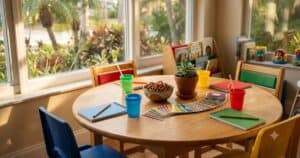
Homeschool parents get the socialization question at every family dinner. "But what about friends?" The pushback assumes that a classroom automatically manufactures social skill, which is not what the developmental research actually shows. What the research shows is that children need specific things from peer time: real play, real conflict, a chance to repair after a rupture, and enough sustained contact with the same kids over time to build a friendship rather than an acquaintance. Volume by itself is not the mechanism. A homeschool kid who attends a well-structured co-op twice a week and has one sustained friendship with a neighbor can get every developmentally important input a classroom-schooled kid gets, and sometimes more. A homeschool kid who is bouncing between six different weekly meet-ups without ever landing a repeat play date is getting the same "empty calories" a lot of overscheduled classroom kids are getting. The question is not "how many hours." The question is "what is happening in those hours." The American Academy of Pediatrics guidance on play and the friendship-quality research from Hartup (1996, PMID 8605821) both point at the same target: quality, repetition, and the presence of conflict and repair.
Book a free 15-minute call with Dr. Davenport
The Socialization Myth, Unpacked
The classroom-equals-socialization idea is a folk theory, not a research finding. Kids in classrooms spend most of the day parallel to peers, not interacting with them, and the interaction that does happen is often heavily managed by an adult. That is not a knock on classrooms. It's just that "child sits near other children" is not the same as "child builds social skill." Willard Hartup's classic Child Development review lays out four functions that friendship serves developmentally: emotional resources, cognitive resources, contexts for basic social skill, and forerunners of later relationships (Hartup, 1996, PMID 8605821). Notice what is on that list and what is not. "Being in a room with 22 other seven-year-olds" is not on it.
What IS on it: a small number of sustained, mutual, back-and-forth peer relationships in which the child gets to be misunderstood, gets to misunderstand someone else, and gets to work it out. That is the developmental mechanism. The American Psychological Association's summary of peer relationships in development makes the same point in gentler language.
What Kids Actually Need from Peer Time
Peter Gray's decades of work on the developmental function of self-directed play (summarized accessibly in Free to Learn) argues that free, mixed-age, minimally-supervised play is where kids build self-regulation, negotiation, and the capacity to tolerate mild social risk (Gray, 2013, Free to Learn, Basic Books). Ginsburg and the AAP's landmark statement on play in child development frames play as protective for cognitive, physical, social, and emotional wellbeing (Ginsburg et al, 2007, Pediatrics 119(1):182 to 191, PMID 17200287).
Boil that literature down to a working list. Kids need:
- Free play with room to negotiate. Not adult-run games. Real play where the rules are up for grabs.
- Conflict. Yes, conflict. Kids who never disagree are not learning to repair.
- Repair. The disagreement has to resolve, imperfectly, in a way the kids figure out.
- Perspective-taking practice. Repeated moments where they realize the other kid saw the situation differently.
- Enough repetition with the same peers to build a real friendship. One neighbor over ten Saturdays beats ten strangers over ten Saturdays.
- Mixed-age contact. Being the youngest and the oldest at different times of the week is developmentally rich.
- A degree of unsupervised (or lightly supervised) time. Not neglect. Just enough adult distance that the kids own the interaction.
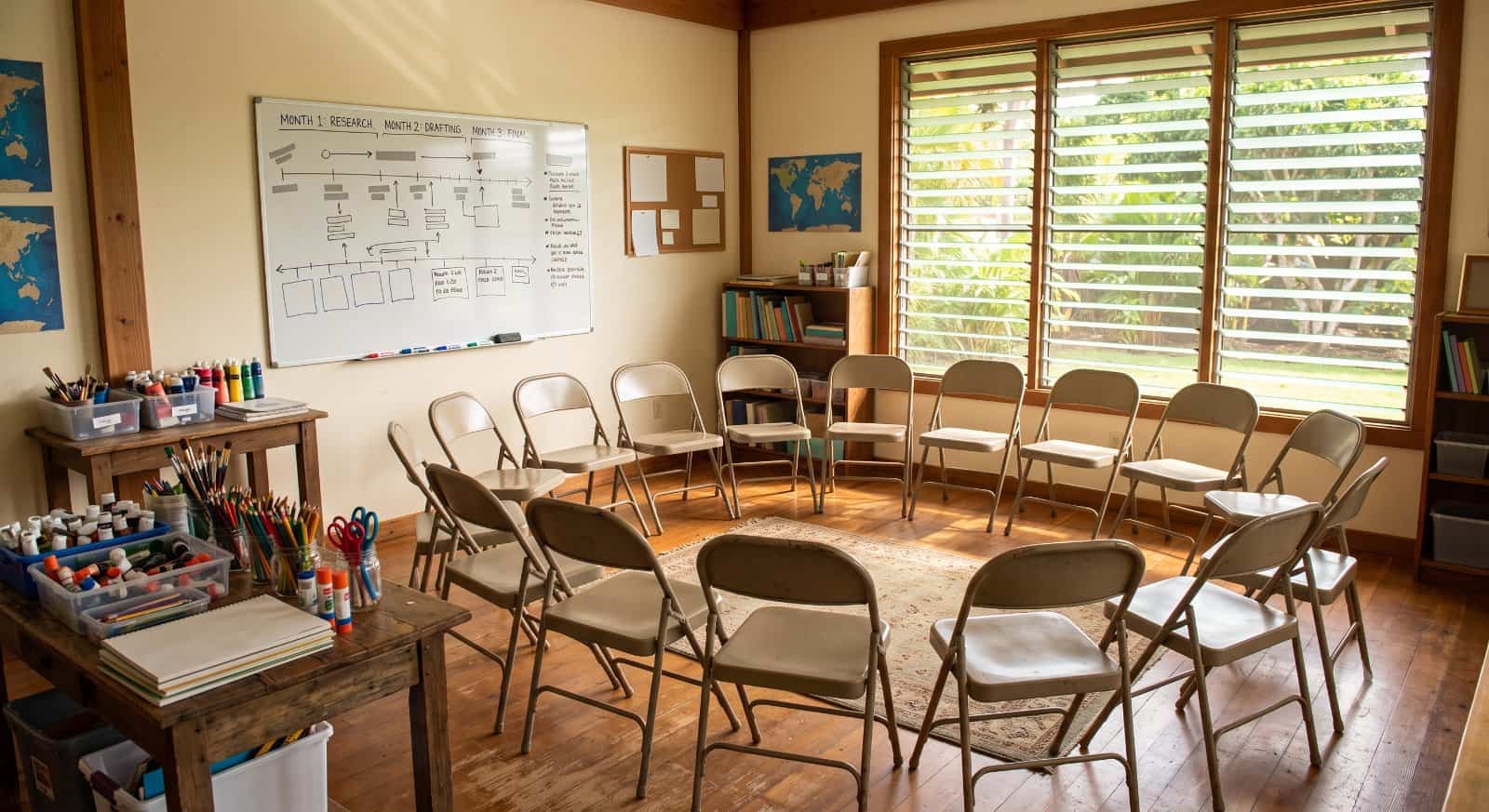
If a homeschool co-op is delivering most of that list, it's doing its job. If it's mostly adult-run circle time with worksheets, it's a class. There's nothing wrong with a class. It's just not the same intervention.
The Friendship-Skill Checklist Parents Can Actually Use
In my office, when a homeschool family says "he has co-op but he's still not making friends," I run through a rough checklist with them. Not diagnostic. Just noticing where the friction is.
- Does he initiate a play interaction with a peer, or does he wait to be invited in?
- Once he's in a play interaction, can he tolerate the other kid taking the game in an unexpected direction, or does he need to control the rules?
- When there's a disagreement, does he have a repair move (an apology, a compromise, a change of subject that lets both kids save face), or does he only have escalate/withdraw?
- Can he read the room? Does he notice when the other kid is bored, tired, or annoyed, or does he keep going on his script?
- Does he sustain interest in the same peer across weeks, or is every co-op day a fresh start?
- After a hard co-op day, can he process it out loud with you, or does he shut down?
Almost every kid has friction on at least one of these. That's normal. If a kid has friction on four or five, that's the pattern I'd want to look at more carefully, and it's often the entry point into a conversation about whether there's an underlying attention, learning, or gifted twice-exceptional profile shaping how the child shows up socially.
Why Homeschool Actually Has Some Structural Advantages
I used to reassure parents by minimizing the socialization question. I don't do that anymore, because the honest answer is more useful. Homeschool has a few real advantages the classroom does not.
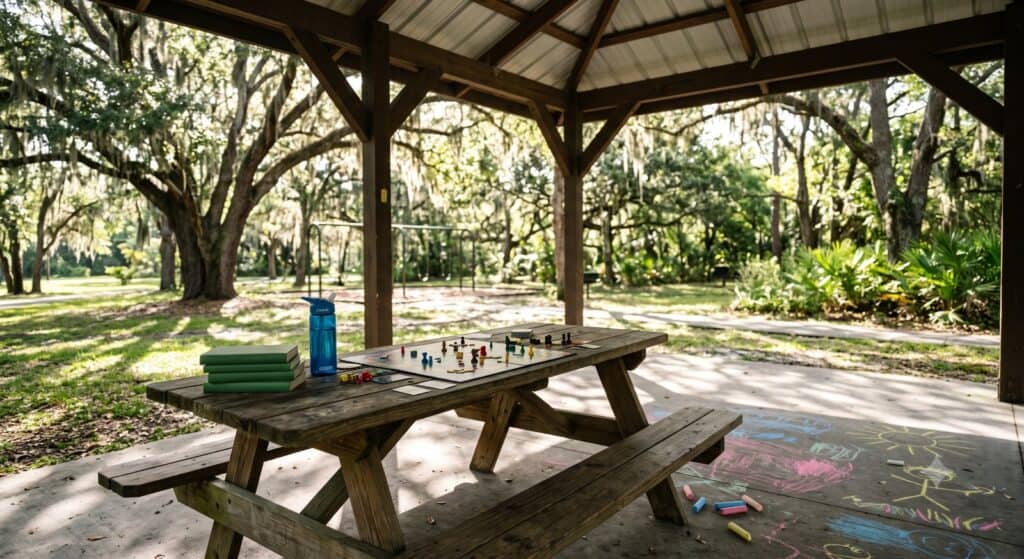
Mixed-age contact is baseline. In a typical Sarasota park co-op or a Venice nature-center meet-up, a nine-year-old is negotiating with a six-year-old and a twelve-year-old on the same afternoon. That's the age structure play evolved in, and it's the structure Peter Gray's cross-cultural work keeps pointing to.
Kids can leave a bad social situation. A homeschool kid stuck in a difficult peer dynamic is not trapped in the same room with that peer six hours a day, five days a week. The family can adjust. That flexibility is protective, not soft.
Parents can watch and intervene when it matters. A homeschool parent who watches co-op interactions can catch the exact moment a friendship-skill gap is showing up and coach it before it calcifies. A classroom teacher managing 22 kids cannot.
Sustained same-neighbor time is possible. The kid across the street, the family from your co-op you keep seeing at the beach, the cousin who comes over on Sundays. These are the sustained relationships developmental psychology says matter most, and homeschool schedules make them easier to build.
The Rubin, Bukowski, and Parker chapter on peer interactions in the Handbook of Child Psychology is the standard reference on all of this if a parent wants to read the deep version.
When the Co-op Isn't Working
Sometimes a co-op just isn't the right fit for a specific kid. Some patterns I watch for:
- The child dreads co-op day and shows physical stress symptoms (stomach aches, sleep disruption, meltdowns the night before).
- The child is masking hard through co-op and collapsing afterward. That's a signal, especially in kids on the autism spectrum or in gifted 2E profiles.
- The child is being bullied and the co-op leadership is not addressing it.
- The child is doing fine socially at co-op but has no sustained friendships outside it, and co-op is functioning as an acquaintance factory rather than a friendship incubator.
None of these means "stop homeschooling." Most of them mean "let's look at what specific skill or environment mismatch is showing up." The CDC's child development pages are a reasonable starting point for parents who want a normed frame of reference for what social milestones look like at various ages.
When to Consider a Consultation
A parent consultation, or in some cases a full psychoeducational evaluation, is worth considering when:
- The friendship-skill checklist above shows friction on four or more items.
- The pattern has been consistent across settings for six months or more.
- Your child is bright but not connecting, which sometimes points at a twice-exceptional profile.
- You've tried the obvious interventions (smaller co-op, one-on-one play dates, coaching specific scripts) and something is still off.
- Your gut says something more is going on.
That last one carries weight. Homeschool parents notice things a clinician sees only in slices.
How to Get Started
If your homeschool kid is struggling to make co-op friends, we offer a free 15-minute call to help you sort what would actually be useful next. You can book a call here or reach our intake at (941) 702-2457. Our homeschool family services page describes how we work with homeschool families specifically, and our psychoeducational consultation page explains the consultation option that sits between "no formal work" and "full evaluation."
By Charles R. Davenport, Psy.D., Licensed Psychologist · FL License PY7978 · PSYPACT 15371
Medically reviewed by Charles R. Davenport, Psy.D. on July 28, 2026
Last Updated July 28, 2026
This article was written by Dr. Davenport from his clinical experience and the cited research literature. Read more about how we write our articles.
Dr. Davenport sees patients at our Sarasota office and our Venice office.
Disclaimer: This article is for general educational purposes and is not clinical advice or a substitute for evaluation by a licensed psychologist. If you or your child needs an evaluation or therapy, schedule a free 15-minute consultation.
If in crisis: Contact the 988 Suicide and Crisis Lifeline or your nearest emergency department.
References
- Hartup, W. W. (1996). The company they keep: Friendships and their developmental significance. Child Development, 67(1), 1 to 13. PMID 8605821. https://pubmed.ncbi.nlm.nih.gov/8605821/
- Ginsburg, K. R., and American Academy of Pediatrics Committee on Communications and Committee on Psychosocial Aspects of Child and Family Health. (2007). The importance of play in promoting healthy child development and maintaining strong parent-child bonds. Pediatrics, 119(1), 182 to 191. PMID 17200287. https://pubmed.ncbi.nlm.nih.gov/17200287/
- Gray, P. (2013). Free to Learn: Why Unleashing the Instinct to Play Will Make Our Children Happier, More Self-Reliant, and Better Students for Life. Basic Books. https://www.basicbooks.com/titles/peter-gray/free-to-learn/9780465084999/
- Rubin, K. H., Bukowski, W. M., and Parker, J. G. (2006). Peer interactions, relationships, and groups. In Handbook of Child Psychology (6th ed.). Wiley. https://onlinelibrary.wiley.com/doi/10.1002/9780470147658.chpsy0310
- American Psychological Association. Social Development in Children. https://www.apa.org/topics/children/social-development
- Centers for Disease Control and Prevention. Child Development. https://www.cdc.gov/ncbddd/childdevelopment/index.html
“`json
{
“@context”: “https://schema.org”,
“@graph”: [
{
“@type”: “MedicalWebPage”,
“@id”: “https://davenportpsychology.com/homeschool-co-op-socialization-peer-time-children/#webpage”,
“url”: “https://davenportpsychology.com/homeschool-co-op-socialization-peer-time-children/”,
“name”: “Homeschool Co-op Socialization: What Children Actually Need from Peer Time”,
“headline”: “Homeschool Co-op Socialization: What Children Actually Need from Peer Time”,
“description”: “What developmental psychology says homeschool kids actually need from peer time, a friendship-skill checklist parents can use, and when to consider a consultation.”,
“inLanguage”: “en-US”,
“dateCreated”: “2026-07-28”,
“datePublished”: “2026-07-28T10:00:00-04:00”,
“dateModified”: “2026-07-28”,
“lastReviewed”: “2026-07-28”,
“medicalSpecialty”: [“https://schema.org/Psychiatric”, “Clinical Psychology”],
“audience”: {
“@type”: “MedicalAudience”,
“audienceType”: “Parents of homeschool students”
},
“about”: [
{
“@type”: “Thing”,
“name”: “Child social development”,
“url”: “https://www.apa.org/topics/children/social-development”
},
{
“@type”: “Thing”,
“name”: “Peer relationships and friendship in childhood”
}
],
“author”: {“@id”: “https://davenportpsychology.com/#identity”},
“reviewedBy”: {“@id”: “https://davenportpsychology.com/#identity”},
“publisher”: {“@id”: “https://davenportpsychology.com/#organization”},
“isPartOf”: {“@id”: “https://davenportpsychology.com/#website”},
“breadcrumb”: {“@id”: “https://davenportpsychology.com/homeschool-co-op-socialization-peer-time-children/#breadcrumbs”}
},
{
“@type”: “Person”,
“@id”: “https://davenportpsychology.com/#identity”,
“name”: “Charles R. Davenport, Psy.D.”,
“givenName”: “Charles”,
“familyName”: “Davenport”,
“honorificSuffix”: “Psy.D.”,
“jobTitle”: “Licensed Psychologist”,
“url”: “https://davenportpsychology.com/our-team-of-licensed-psychologists/charles-r-davenport-psyd/”,
“hasCredential”: [
{
“@type”: “EducationalOccupationalCredential”,
“credentialCategory”: “license”,
“name”: “Florida Licensed Psychologist PY7978”,
“url”: “https://mqa-internet.doh.state.fl.us/MQASearchServices/HealthcareProviders/LicenseVerification?LicInd=6671&ProCde=2701”
},
{
“@type”: “EducationalOccupationalCredential”,
“credentialCategory”: “license”,
“name”: “PSYPACT Authority to Practice Interjurisdictional Telepsychology 15371”,
“url”: “https://authorizations.psypact.gov/60bd1a4d-6ac5-43d8-8232-901ba377928d?record_view=true”
}
],
“sameAs”: [
“https://davenportpsychology.com/our-team-of-licensed-psychologists/charles-r-davenport-psyd/”
],
“worksFor”: {“@id”: “https://davenportpsychology.com/#organization”}
},
{
“@type”: [“Organization”, “MedicalBusiness”],
“@id”: “https://davenportpsychology.com/#organization”,
“name”: “Davenport Psychology”,
“legalName”: “Charles R. Davenport, Psy.D., LLC d/b/a Davenport Psychology”,
“url”: “https://davenportpsychology.com”,
“telephone”: “+19417022457”,
“email”: “[email protected]”,
“areaServed”: [“Sarasota, FL”, “Venice, FL”, “Florida”],
“location”: [
{
“@type”: “Place”,
“name”: “Sarasota Office”,
“address”: {
“@type”: “PostalAddress”,
“streetAddress”: “1608 Oak Street”,
“addressLocality”: “Sarasota”,
“addressRegion”: “FL”,
“postalCode”: “34236”,
“addressCountry”: “US”
},
“url”: “https://davenportpsychology.com/office-directory/sarasota-office/”
},
{
“@type”: “Place”,
“name”: “Venice Office”,
“address”: {
“@type”: “PostalAddress”,
“streetAddress”: “200 Capri Isles Blvd, Suite 7G”,
“addressLocality”: “Venice”,
“addressRegion”: “FL”,
“postalCode”: “34292”,
“addressCountry”: “US”
},
“url”: “https://davenportpsychology.com/office-directory/venice-psychology-office/”
}
]
},
{
“@type”: “WebSite”,
“@id”: “https://davenportpsychology.com/#website”,
“url”: “https://davenportpsychology.com”,
“name”: “Davenport Psychology”,
“publisher”: {“@id”: “https://davenportpsychology.com/#organization”}
},
{
“@type”: “BreadcrumbList”,
“@id”: “https://davenportpsychology.com/homeschool-co-op-socialization-peer-time-children/#breadcrumbs”,
“itemListElement”: [
{“@type”: “ListItem”, “position”: 1, “name”: “Home”, “item”: “https://davenportpsychology.com/”},
{“@type”: “ListItem”, “position”: 2, “name”: “Homeschool Family Services”, “item”: “https://davenportpsychology.com/services/homeschool-family-services/”},
{“@type”: “ListItem”, “position”: 3, “name”: “Homeschool Co-op Socialization”}
]
},
{
“@type”: “FAQPage”,
“@id”: “https://davenportpsychology.com/homeschool-co-op-socialization-peer-time-children/#faq”,
“mainEntity”: [
{
“@type”: “Question”,
“name”: “Do homeschool kids get enough socialization?”,
“acceptedAnswer”: {
“@type”: “Answer”,
“text”: “The research on child social development points at quality, not volume. Kids need a small number of sustained, mutual, back-and-forth peer relationships with room for real play, conflict, and repair. A homeschool kid with one solid neighbor friendship and a well-run co-op can meet those needs. A classroom by itself does not guarantee them.”
}
},
{
“@type”: “Question”,
“name”: “What social skills should I look for in my homeschool child?”,
“acceptedAnswer”: {
“@type”: “Answer”,
“text”: “Watch for initiation, flexibility, repair after a disagreement, perspective-taking, sustained interest in the same peers across weeks, and the ability to talk about a hard peer day afterward. Friction on one or two is normal. Friction on four or more is a signal worth exploring.”
}
},
{
“@type”: “Question”,
“name”: “When should I consider a parent consultation about my child’s socialization?”,
“acceptedAnswer”: {
“@type”: “Answer”,
“text”: “Consider a consultation when the pattern has been consistent for six months or more, when your bright child is not connecting the way you would expect, when you’ve tried the obvious interventions and something is still off, or when your gut says more is going on. A 15-minute call can help you decide what would actually be useful.”
}
}
]
}
]
}
“`
If you are looking for structured peer time with a psychologist facilitating, our Skye Ranch Homeschool Program runs five Friday mornings in Sarasota.
Get Professional Help from Licensed Psychologists
Our doctoral-level psychologists in Sarasota and Venice can help with your mental health needs.
Call (941) 702-2457 to schedule a consultation.